Liver of a Cow: Essential Health and Production

Get a Free Quote

Our representative will contact you soon.
Email
Name
Company Name
Mobile/WhatsApp
Message
0/1000

liver of a cow

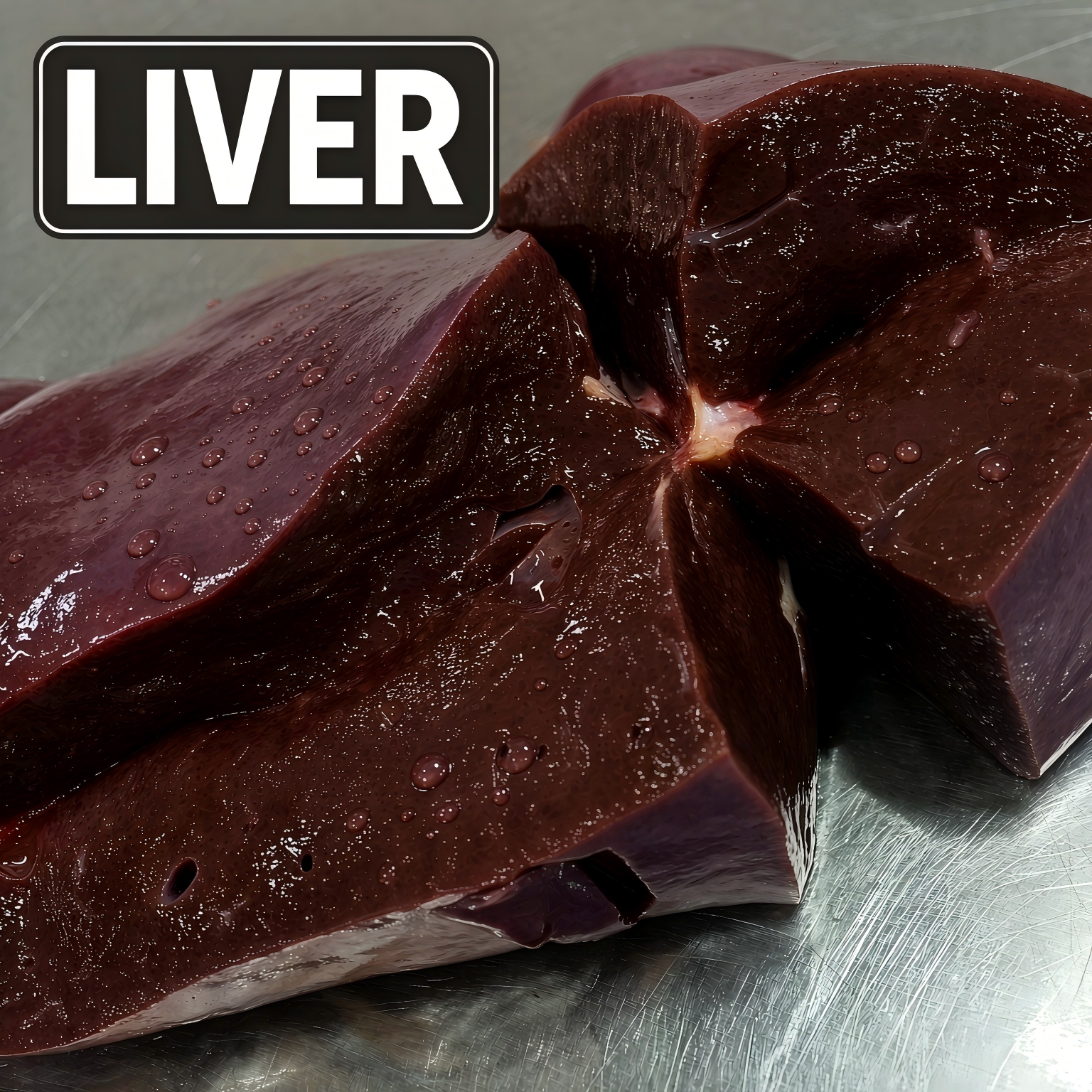
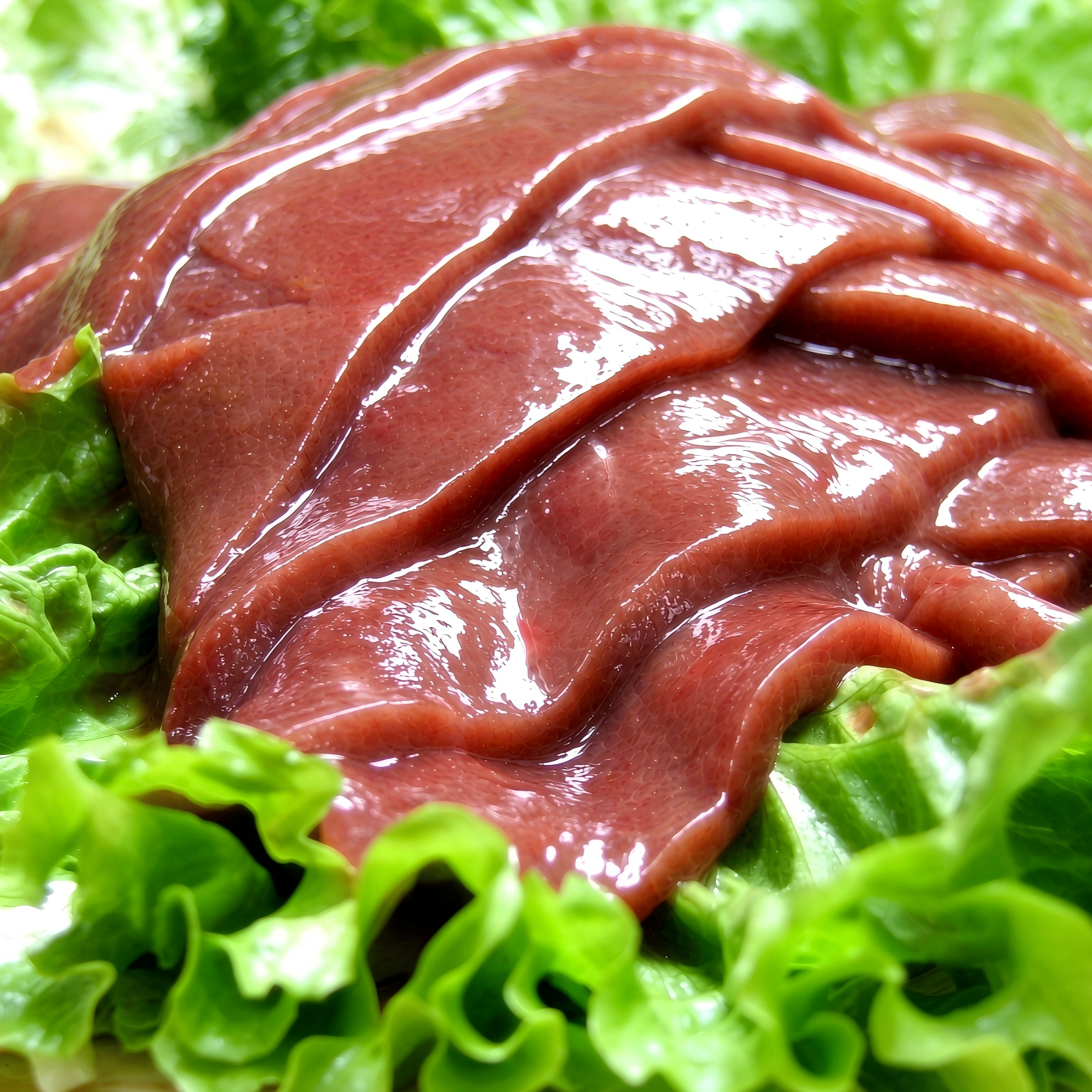
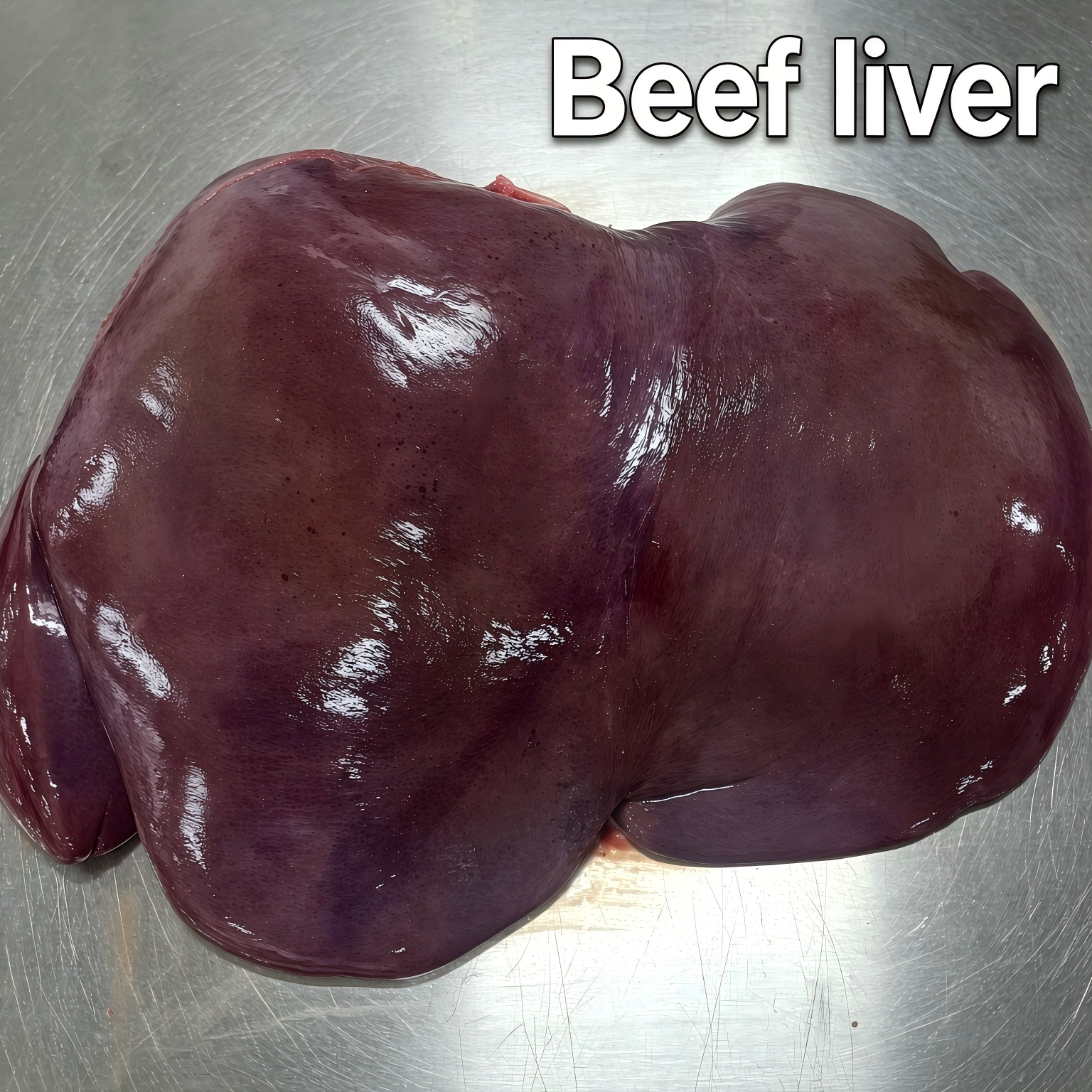
The liver of a cow is a vital organ that plays a crucial role in maintaining the animal's health and productivity. As one of the largest internal organs, the liver of a cow performs multiple essential functions that directly impact overall livestock performance and meat quality. Understanding the liver of a cow is important for farmers, veterinarians, and agricultural professionals seeking to optimize herd health and production outcomes. The liver of a cow functions as a metabolic powerhouse, processing nutrients from feed and converting them into usable energy for the animal. This organ filters blood, removes toxins, and produces bile necessary for fat digestion. The liver of a cow also stores essential vitamins and minerals, regulating their release throughout the animal's body. Additionally, the liver of a cow synthesizes proteins critical for immune function and tissue repair. Technologically, modern veterinary diagnostics allow professionals to monitor liver health through blood enzyme testing and ultrasound imaging. These advances enable early detection of liver dysfunction in cattle, preventing production losses. The liver of a cow typically weighs between 4-6 kilograms and receives approximately 25% of the animal's blood supply, highlighting its physiological importance. Applications of liver knowledge extend across dairy and beef production, where liver health directly influences milk yield and meat quality. Nutritional management, disease prevention, and stress reduction all support optimal liver function. Understanding the liver of a cow empowers farmers to implement targeted management strategies that enhance animal welfare and productivity while maintaining sustainable farming practices.


Popular Products

The liver of a cow offers numerous practical benefits that extend far beyond basic animal biology. For cattle producers, understanding and optimizing liver health directly translates into improved operational efficiency and profitability. The liver of a cow serves as an indicator of overall herd health status, making it a valuable diagnostic tool for identifying nutritional deficiencies and metabolic disorders before they cause significant production losses. For buyers of beef and dairy products, a healthy liver of a cow ensures superior meat and milk quality. When the liver of a cow functions optimally, the animal processes nutrients more efficiently, resulting in better-marbled meat and higher nutritional value in dairy products. This translates to better-tasting beef and more nutrient-rich milk for consumers. Operationally, monitoring the liver of a cow helps farmers reduce veterinary costs through early disease prevention. By maintaining proper liver function, cattle experience fewer metabolic diseases, resulting in lower antibiotic use and improved feed efficiency. The liver of a cow acts as a natural filtration system, and when healthy, it reduces the incidence of costly health complications affecting the entire herd. The liver of a cow also influences reproductive performance significantly. Optimal liver function supports hormone metabolism, directly affecting fertility rates and conception success. Farmers implementing liver-focused nutrition and management protocols report improved pregnancy rates and shorter calving intervals. Additionally, understanding the liver of a cow supports sustainable farming practices. Healthy livers mean better feed conversion ratios, reducing environmental waste and improving resource efficiency. This benefits producers financially while demonstrating environmental responsibility to conscious consumers seeking responsibly raised beef and dairy products.

Tips And Tricks

Prodexpo: Russia’s Premier Food Trade Show for Industry Professionals

23

Jan

Prodexpo: Russia’s Premier Food Trade Show for Industry Professionals

View More
SIAL Xiya International Food and Beverage Exhibition: A Global Hub for F&B Innovation & Trade

23

Jan

SIAL Xiya International Food and Beverage Exhibition: A Global Hub for F&B Innovation & Trade

View More
China's Chicken Trade Reversal in 2025: From Import Dependence to a New Global Export Power

23

Jan

China's Chicken Trade Reversal in 2025: From Import Dependence to a New Global Export Power

View More
Steady Development of China's Animal Husbandry in 2025; Meat Output Exceeds 100 Million Tons

23

Jan

Steady Development of China's Animal Husbandry in 2025; Meat Output Exceeds 100 Million Tons

View More

Get a Free Quote

Our representative will contact you soon.
Email
Name
Company Name
Mobile/WhatsApp
Message
0/1000

liver of a cow

Superior Nutrient Processing and Metabolic Function

Superior Nutrient Processing and Metabolic Function

The liver of a cow serves as the body's primary metabolic center, processing thousands of compounds daily to maintain optimal health. A properly functioning liver of a cow ensures efficient nutrient absorption, allowing cattle to extract maximum value from their feed. This enhanced processing capability directly improves feed conversion efficiency, meaning farmers achieve better weight gains and milk production with fewer resources. When the liver of a cow operates at peak efficiency, animals require less total feed to reach market weight or maintain productive dairy output. This metabolic advantage reduces feed costs significantly while improving overall profitability. The liver of a cow's ability to regulate blood glucose levels, store vitamins, and process proteins creates a domino effect of benefits throughout the animal's body. Healthy cattle with optimized liver function demonstrate improved energy levels, better milk composition in dairy breeds, and superior muscle development in beef cattle. For producers focused on sustainable and profitable operations, investing in liver health through proper nutrition and management represents one of the most cost-effective strategies available.
Enhanced Disease Prevention and Immune System Support

Enhanced Disease Prevention and Immune System Support

A robust and healthy liver of a cow provides foundational support for the animal's entire immune system. The liver of a cow produces critical proteins that strengthen immune response, helping cattle resist infections and diseases more effectively. This natural disease resistance means fewer veterinary interventions, lower medication costs, and reduced antibiotic usage—increasingly important for meeting market demands and regulatory requirements. When the liver of a cow maintains optimal function, cattle experience improved recovery times from stress and illness. The organ's detoxification capabilities protect the animal from harmful substances, creating a stronger biological defense system. For herds, maintaining liver health prevents the spread of metabolic disorders that can cascade through the entire operation. The liver of a cow's role in producing immune factors directly correlates with reduced mastitis incidence in dairy cattle and decreased respiratory infections in beef herds. Producers implementing comprehensive liver health programs report measurable reductions in herd morbidity and mortality rates. This preventive approach proves far more cost-effective than treating diseases after they develop, protecting both animal welfare and farm profitability substantially.
Improved Reproductive Performance and Genetic Potential

Improved Reproductive Performance and Genetic Potential

The liver of a cow fundamentally influences reproductive success through its role in hormone metabolism and nutrient balance. A healthy liver of a cow efficiently processes reproductive hormones, directly supporting regular estrous cycles and successful conception. This physiological benefit translates to shorter calving intervals, more productive breeding years, and improved genetic return on investment for cattle operations. The liver of a cow's ability to store and distribute essential micronutrients like selenium and copper directly affects fertility in both male and female cattle. When the liver of a cow functions optimally, cows exhibit improved embryo viability and reduced pregnancy loss rates. Bulls with healthy livers demonstrate superior sperm quality and reproductive longevity, maximizing their genetic contribution to the herd. The liver of a cow's metabolic functions ensure pregnant animals maintain optimal fetal development and colostrum quality. Calves born from cows with optimized liver function receive superior passive immunity through high-quality colostrum, improving survival rates and early growth performance. For breeding operations, understanding and supporting liver health maximizes reproductive output and accelerates genetic progress.

Get a Free Quote

Our representative will contact you soon.
Email
Name
Company Name
Mobile/WhatsApp
Message
0/1000