liver of a cow
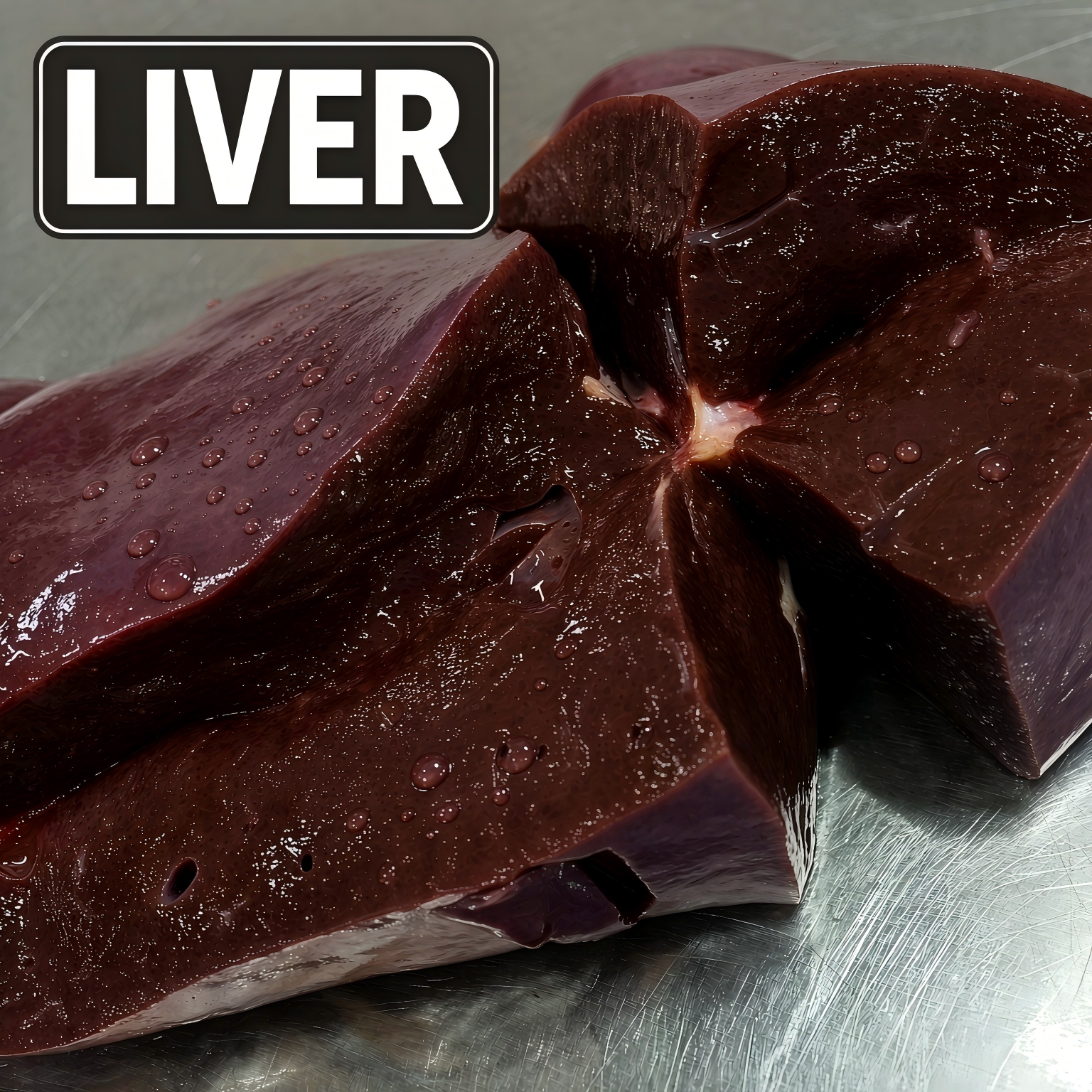
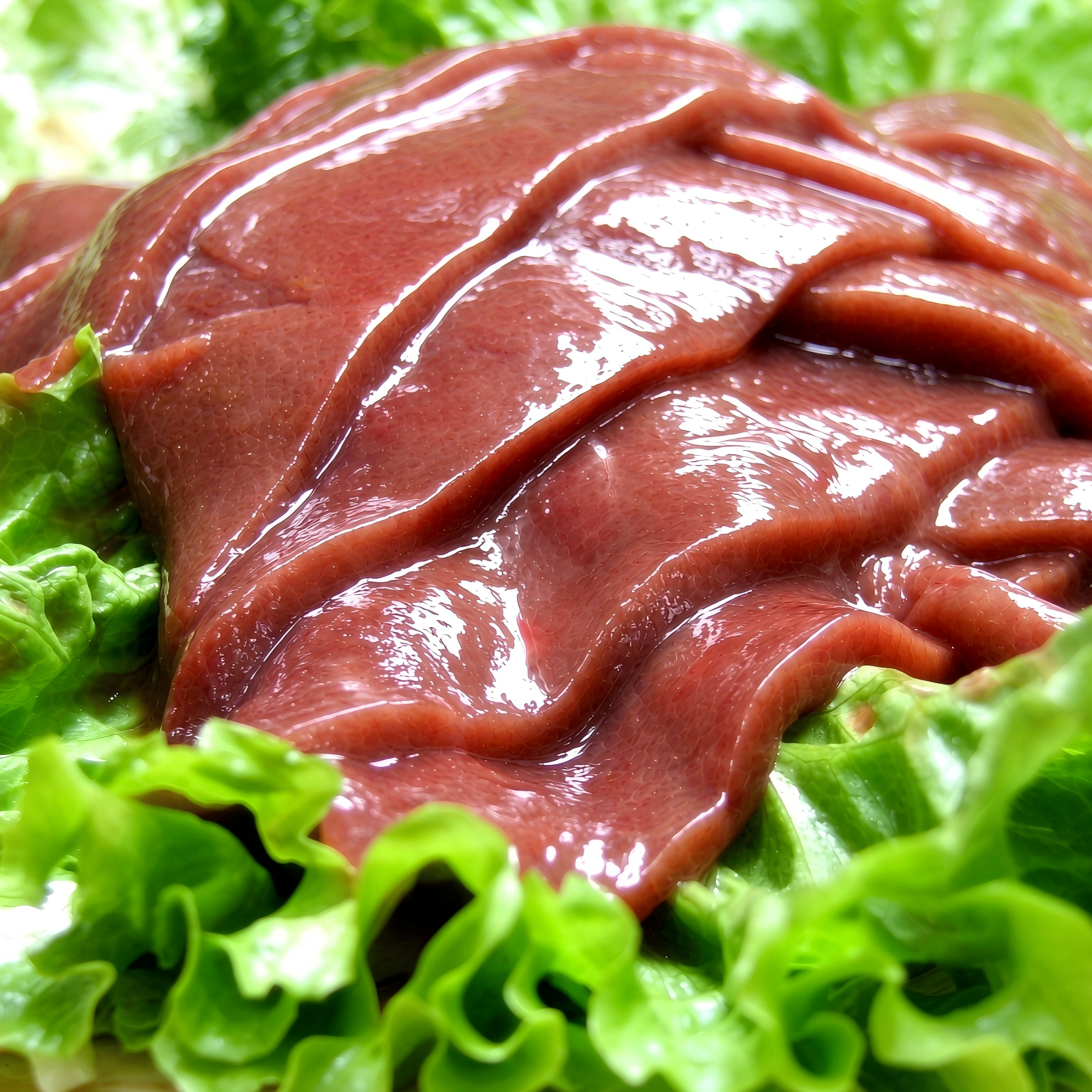
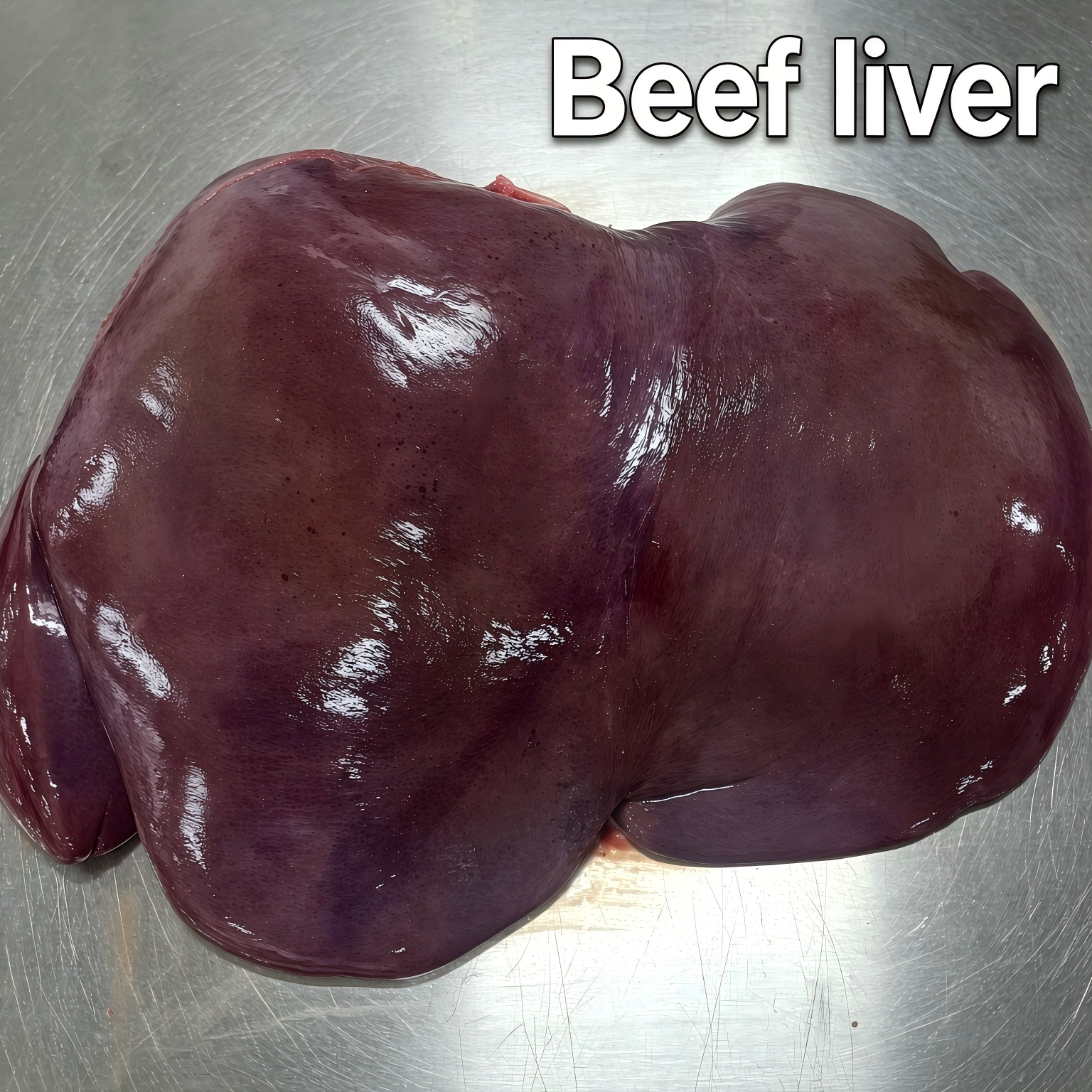
The liver of a cow is a vital organ that plays a crucial role in maintaining the animal's health and productivity. As one of the largest internal organs, the liver of a cow performs multiple essential functions that directly impact overall livestock performance and meat quality. Understanding the liver of a cow is important for farmers, veterinarians, and agricultural professionals seeking to optimize herd health and production outcomes.
The liver of a cow functions as a metabolic powerhouse, processing nutrients from feed and converting them into usable energy for the animal. This organ filters blood, removes toxins, and produces bile necessary for fat digestion. The liver of a cow also stores essential vitamins and minerals, regulating their release throughout the animal's body. Additionally, the liver of a cow synthesizes proteins critical for immune function and tissue repair.
Technologically, modern veterinary diagnostics allow professionals to monitor liver health through blood enzyme testing and ultrasound imaging. These advances enable early detection of liver dysfunction in cattle, preventing production losses. The liver of a cow typically weighs between 4-6 kilograms and receives approximately 25% of the animal's blood supply, highlighting its physiological importance.
Applications of liver knowledge extend across dairy and beef production, where liver health directly influences milk yield and meat quality. Nutritional management, disease prevention, and stress reduction all support optimal liver function. Understanding the liver of a cow empowers farmers to implement targeted management strategies that enhance animal welfare and productivity while maintaining sustainable farming practices.





 EN
EN