cow liver price
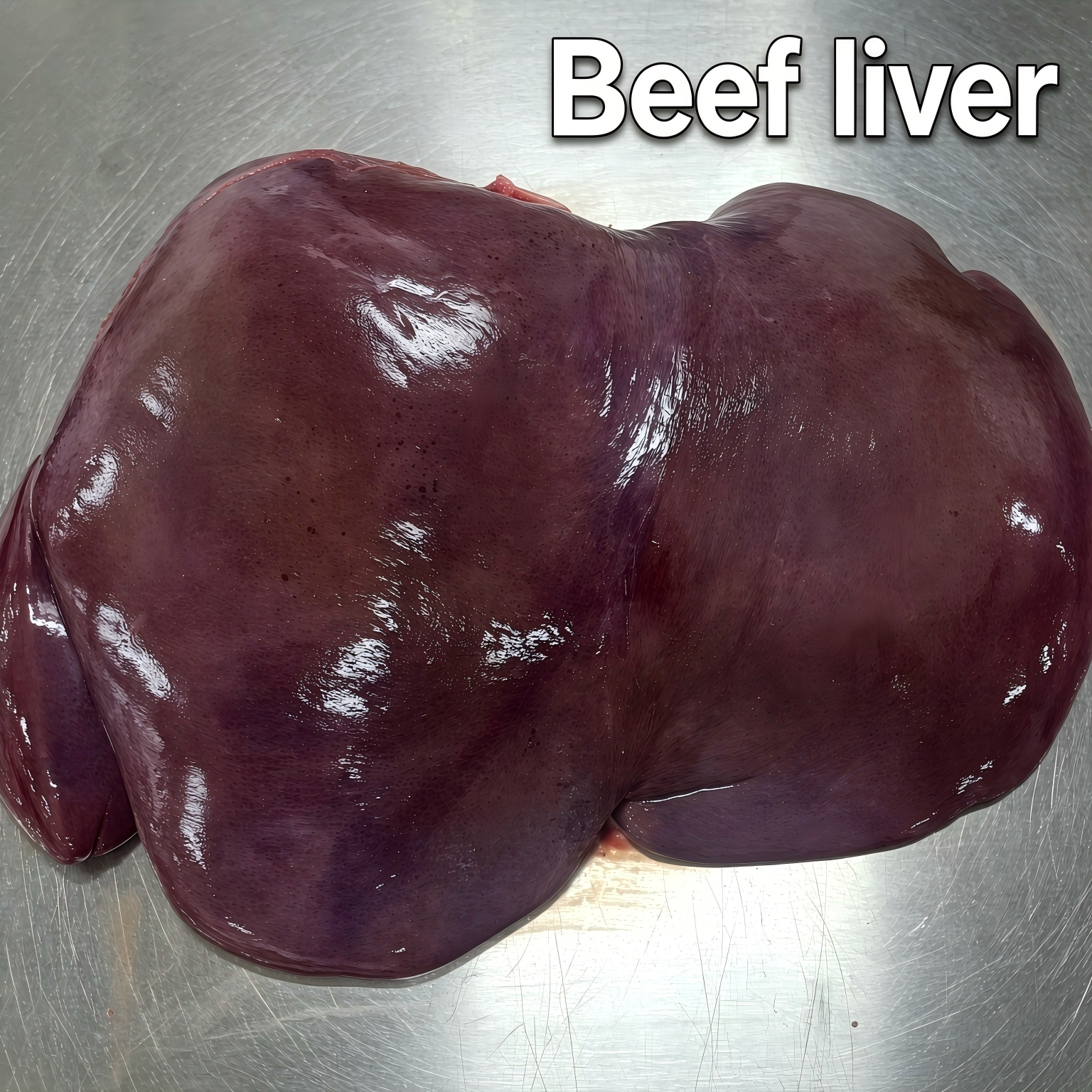
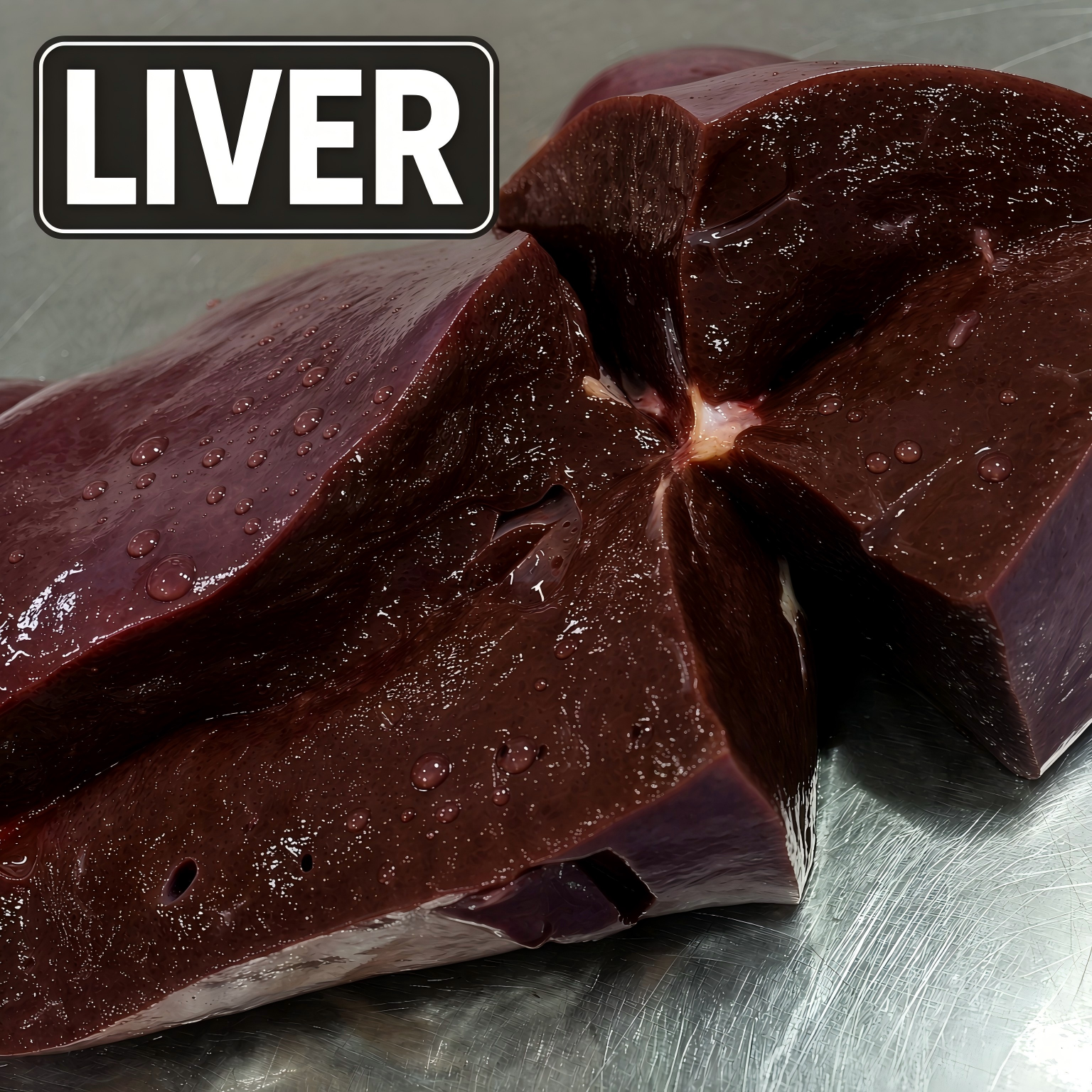
Cow liver price represents an important consideration for businesses and consumers seeking high-quality organ meat products. Understanding cow liver price factors helps buyers make informed purchasing decisions. Cow liver serves as a nutrient-dense food source containing essential vitamins, minerals, and proteins that support human health and nutrition. The main functions of cow liver include providing iron, vitamin A, and B-complex vitamins that are vital for energy metabolism and immune system support. From a technological perspective, modern processing facilities ensure proper handling and preservation of cow liver to maintain quality standards. Cold chain management and vacuum packaging technologies preserve freshness and extend shelf life. The applications of cow liver span across food service industries, retail markets, and personal consumption. Restaurants utilize cow liver for traditional dishes and culinary preparations. Retail butchers stock cow liver to meet customer demand for organ meats. Individual consumers purchase cow liver for home cooking and nutritional supplementation. The cow liver price varies based on several factors including quality grade, source location, market demand, and seasonal availability. Premium-grade cow liver typically commands higher prices compared to standard grades. Sourcing from reputable suppliers influences cow liver price significantly. Understanding market trends helps buyers negotiate better rates. Wholesale cow liver price options provide cost advantages for commercial establishments. Tracking historical cow liver price data reveals market patterns and helps predict future pricing. Quality assurance and certification standards affect the final cow liver price consumers pay. Certified organic cow liver generally costs more than conventional options. Local production versus imported sources creates cow liver price differences across regions. Seasonal fluctuations impact annual cow liver price trends substantially.




 EN
EN