
 EN
EN

Frozen peking duck represents a premium culinary product that demands careful handling to preserve its signature tenderness and juicy characteristics. The challenge lies in maintaining meat quality through the freezing process and subsequent preparation, as improper thawing or cooking can easily compromise the delicate texture that makes peking duck so prized in both professional kitchens and home cooking. Understanding the science behind peking duck preservation and the practical techniques that protect its quality is essential for anyone working with this distinguished poultry product.
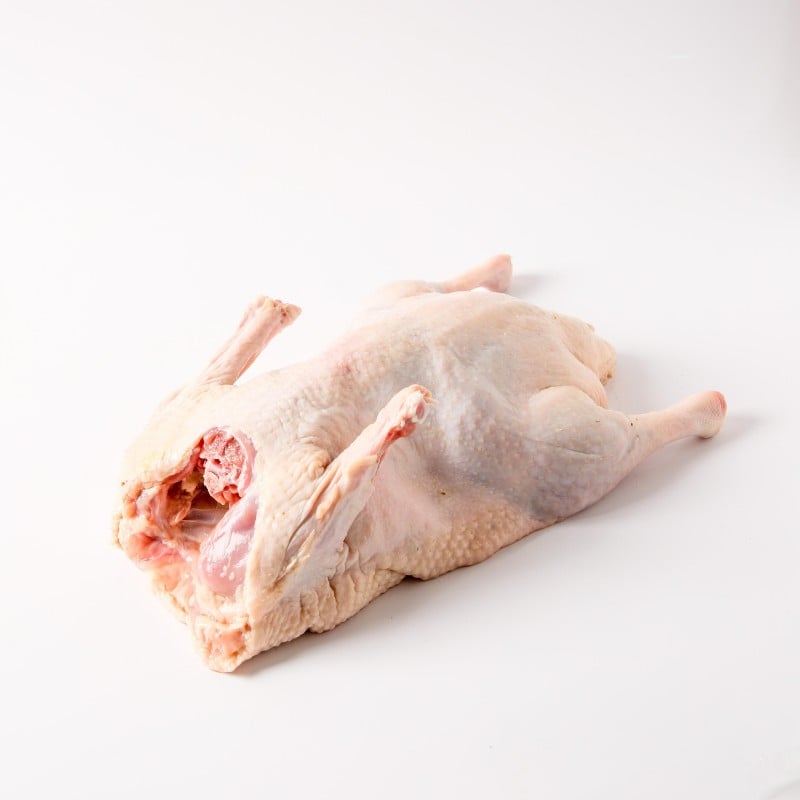
The success of preparing frozen peking duck depends on multiple interconnected factors, from initial selection and storage conditions through thawing protocols and final cooking methods. Each stage of handling influences the final result, determining whether your peking duck emerges tender and succulent or becomes dry and fibrous. By mastering these essential techniques, you can consistently deliver exceptional peking duck that meets the highest quality standards.
Proper Thawing Techniques for Frozen Peking Duck
Refrigerator Thawing Method
The most effective approach to thawing frozen peking duck involves placing it in the refrigerator at a temperature between 32°F and 40°F for approximately 24 to 36 hours, depending on the bird's size. This slow thawing process allows the peking duck to gradually return to ambient temperature while preserving cellular structure and moisture content. Rapid temperature changes can cause the muscle fibers to contract unevenly, resulting in moisture loss and toughened meat texture. When thawing frozen peking duck using this method, ensure the bird remains in its original packaging or a sealed container to prevent surface dehydration and contamination.
Cold Water Thawing for Time-Sensitive Situations
When refrigerator thawing is impractical, cold water thawing offers a faster alternative for preparing frozen peking duck. Submerge the sealed peking duck in cold water, changing the water every 30 minutes to maintain a temperature below 40°F. This method typically thaws frozen peking duck in 2 to 4 hours, depending on weight. The critical factor in cold water thawing frozen peking duck is never allowing water temperature to rise, as warm water accelerates bacterial growth and compromises the peking duck's texture and safety.
Storage and Moisture Retention Strategies
Pre-Cooking Storage Conditions
Once thawed, properly storing frozen peking duck before cooking directly impacts final juiciness and tenderness. Keep thawed peking duck in the coldest section of your refrigerator at 32°F to 40°F, ideally for no longer than 1 to 2 days after thawing. The frozen peking duck should remain uncovered or loosely covered to allow air circulation around the skin, which helps develop better texture during cooking. Wrapping thawed peking duck tightly in plastic wrap can trap moisture against the skin, leading to steam accumulation that prevents proper browning and crisping during the cooking process.
Moisture Control During Preparation
Pat the thawed peking duck completely dry with paper towels before cooking, as excess surface moisture prevents proper browning and creates steam that toughens the meat. This simple step significantly improves the texture of your frozen peking duck. Gently work paper towels inside the cavity of the peking duck to remove internal moisture as well. Some professional chefs let thawed peking duck sit uncovered in the refrigerator for 8 to 12 hours before cooking to allow the skin to air-dry further, which intensifies the crispy exterior while maintaining tender, juicy meat inside.
Cooking Methods That Preserve Peking Duck Quality
Roasting Temperature and Timing
Roasting represents the most traditional and effective method for cooking frozen peking duck after proper thawing and preparation. Preheat your oven to 400°F and begin roasting peking duck for approximately 15 minutes per pound at this high temperature. This initial high-heat phase renders fat from beneath the skin and promotes browning. After this initial period, reduce the oven temperature to 375°F and continue roasting peking duck until the internal temperature reaches 160°F in the thigh, which typically requires an additional 45 minutes to 90 minutes depending on size.
The two-stage roasting method for peking duck ensures even cooking while protecting meat juiciness. The high initial temperature creates a crispy, golden skin that seals in the peking duck's natural juices, while the lower finishing temperature allows internal meat fibers to cook through gently. This approach maintains the peking duck's characteristic tender texture while preventing the outer meat from drying. Always use a meat thermometer when cooking frozen peking duck to ensure accurate doneness without overcooking.
Resting Period After Cooking
Allowing cooked peking duck to rest for 10 to 15 minutes after removal from the oven proves essential for maintaining juiciness and tenderness. During this resting period, muscle fibers in the peking duck gradually relax, reabsorbing and redistributing juices throughout the meat. Cutting into peking duck immediately after cooking causes these valuable juices to escape, resulting in dry meat despite proper cooking technique. Tent the rested peking duck loosely with foil to maintain warmth while juices redistribute, then carve according to your serving preferences.
Advanced Quality Maintenance Techniques
Brining Methods for Enhanced Moisture
Professional preparation of frozen peking duck often incorporates brining to enhance moisture retention and tenderness. Create a brine solution using 1 cup of salt per gallon of water, optionally adding aromatics like star anise, ginger, and scallions to complement peking duck's traditional flavor profile. Submerge thawed peking duck in this brine for 4 to 12 hours before cooking. The salt in the brine denatures proteins in the peking duck meat, allowing it to retain significantly more moisture during the cooking process, resulting in noticeably juicier and more tender peking duck.
Glaze Application During Roasting
Applying a light glaze during the final stages of roasting frozen peking duck adds flavor complexity while creating a protective layer that locks in moisture. Traditional peking duck glazes combine honey, soy sauce, and rice vinegar, brushed onto the skin during the last 15 to 20 minutes of cooking. This technique enhances the peking duck's appearance and flavor while the glaze's sugars caramelize, creating an attractive finish. The glaze itself doesn't penetrate deeply, but it reflects radiant heat slightly, moderating surface temperature and preventing excessive drying.
FAQ
How long can I safely store thawed peking duck before cooking?
Thawed peking duck should be cooked within 1 to 2 days when stored at 32°F to 40°F in your refrigerator. Never refreeze peking duck once it has completely thawed, as this damages muscle fiber structure and creates additional moisture loss. If you need to store peking duck longer than 2 days, return it to the freezer immediately after thawing, though this impacts the subsequent quality of your peking duck preparation.
Can I use a slow cooker to prepare frozen peking duck?
Slow cookers are generally not recommended for preparing frozen peking duck because extended low-heat cooking produces steam that creates tough, rubbery meat rather than the desired tender texture. Additionally, slow cookers cannot achieve the high initial temperature needed to crisp the peking duck skin properly. Oven roasting remains the superior method for maintaining both the peking duck's tenderness and its characteristic crispy exterior.
What temperature indicates that frozen peking duck is properly cooked?
Properly cooked peking duck should reach an internal temperature of 160°F to 165°F when measured in the thickest part of the thigh without touching bone. At this temperature, harmful bacteria are eliminated while the peking duck meat remains tender and juicy. Using an instant-read meat thermometer removes guesswork from determining when your peking duck reaches ideal doneness, preventing both undercooking and overcooking that would compromise safety or texture.