roast duck price
Understanding roast duck price is essential for restaurants, catering businesses, and food service operations seeking to optimize their menu offerings and profit margins. The roast duck price varies based on several factors, including source quality, preparation method, market demand, and supplier relationships. This comprehensive guide explores how roast duck price is determined and what influences its market value.
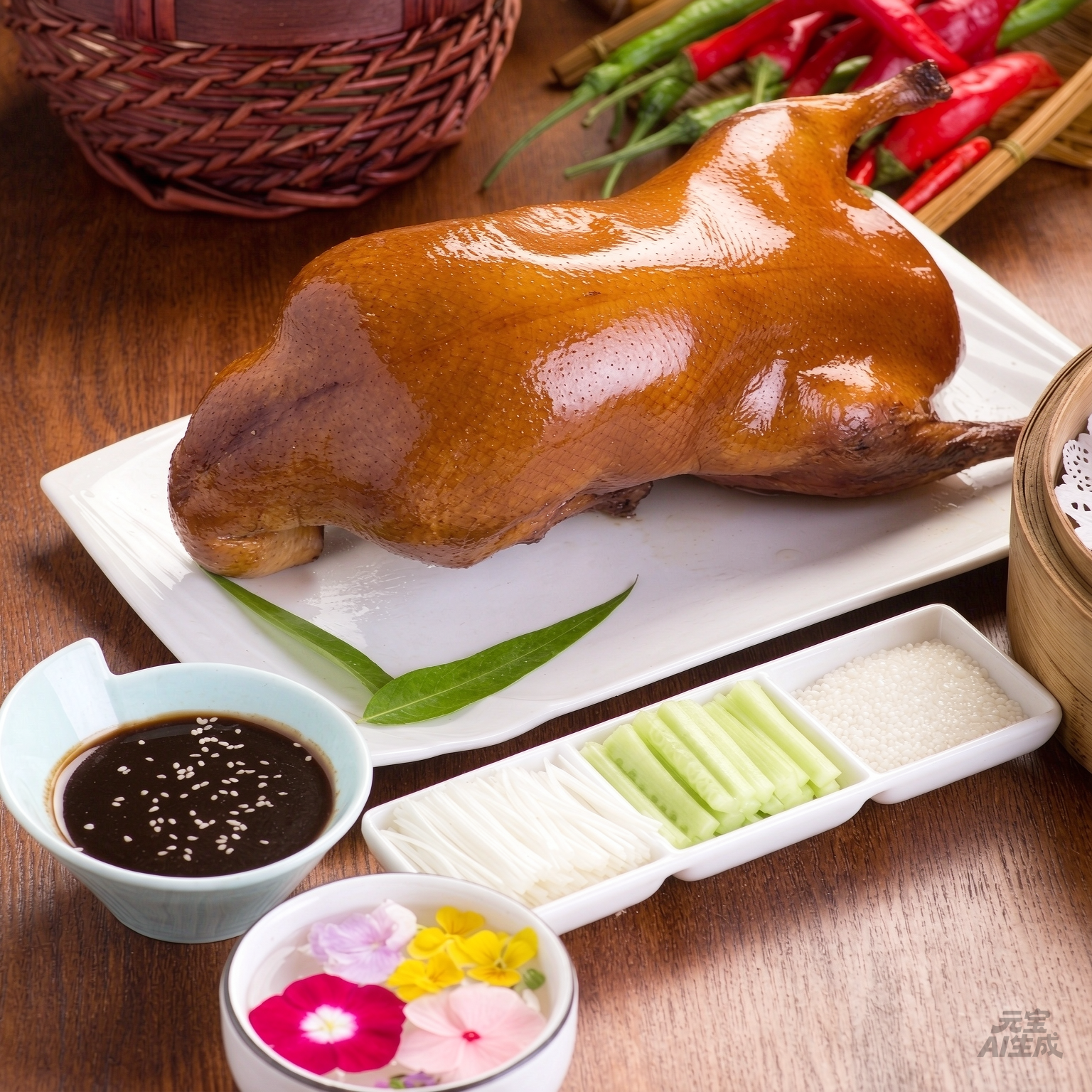
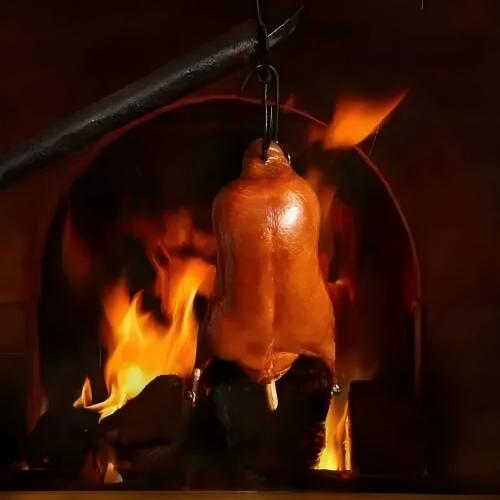
Roast duck price depends primarily on the quality of the raw poultry, seasonal availability, and geographic location. Premium suppliers typically offer higher-grade ducks that command elevated roast duck price points due to superior flavor, texture, and presentation standards. The processing technique significantly impacts final roast duck price, as traditional slow-roasting methods require more labor and expertise than industrial approaches.
Technologically advanced facilities employ precision temperature controls and automated systems to maintain consistent roast duck price competitiveness while ensuring product quality. Modern roasting equipment reduces cooking time and energy consumption, directly affecting the roast duck price structure. Market dynamics continuously shape roast duck price trends, with wholesale costs fluctuating based on supply chain efficiency and demand forecasting.
Businesses must evaluate roast duck price against ingredient sourcing, preparation labor, and market positioning strategies. Understanding roast duck price variations enables informed purchasing decisions and strategic menu development. Whether sourcing frozen, fresh, or pre-roasted options, the roast duck price reflects the comprehensive value chain from farm to final presentation, making it a critical consideration for food service profitability.




 EN
EN