
 EN
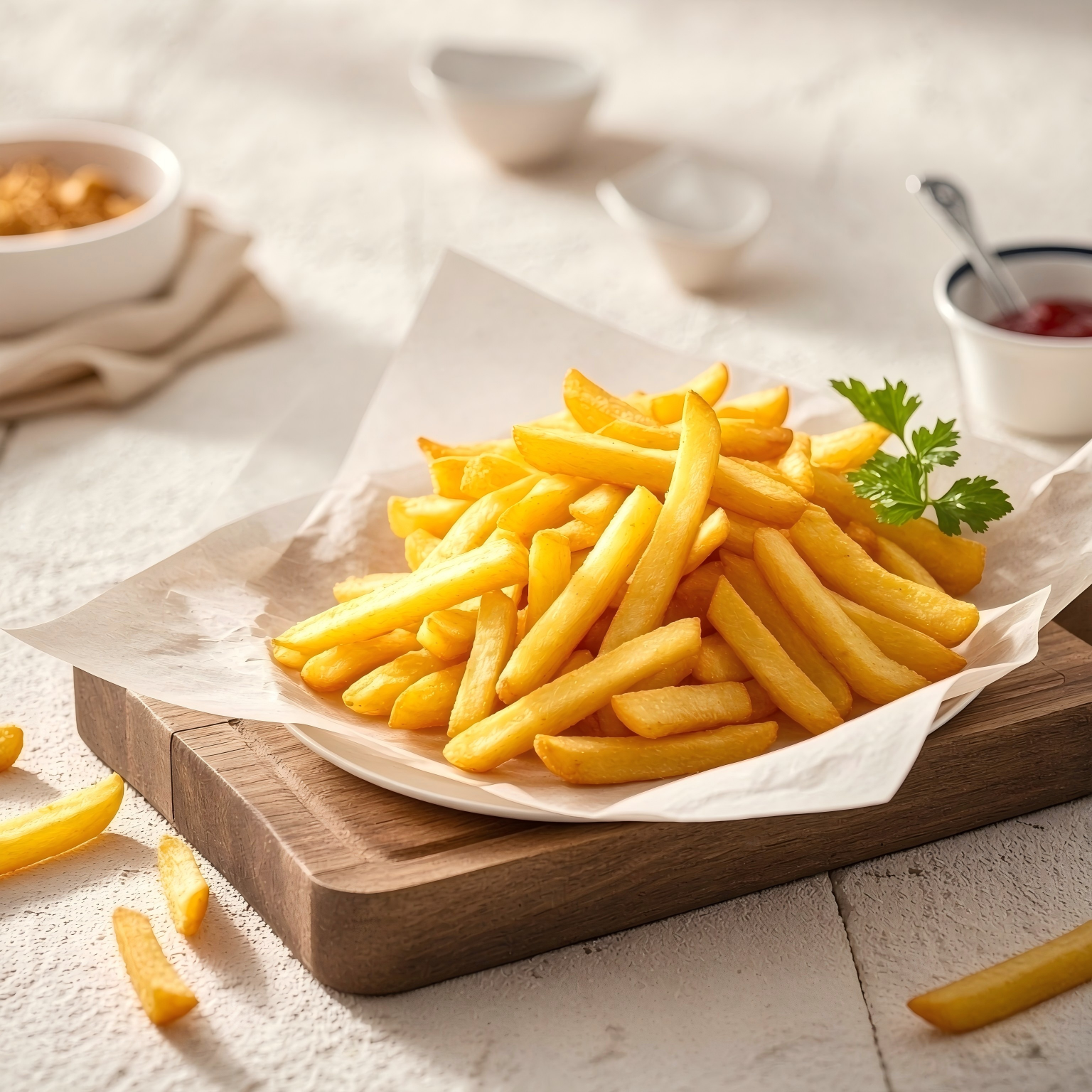
Frozen french fries represent one of the most critical components of modern foodservice operations, yet their behavior under heat lamps remains a common mystery for restaurateurs and kitchen managers. The question of why frozen french fries maintain their crispiness longer under heat lamps touches on fundamental food science principles that directly impact customer satisfaction and operational efficiency. Understanding this phenomenon requires examining the unique structural properties of frozen french fries, the specific conditions created by heat lamps, and how these factors interact to preserve the desirable crispy texture that diners expect.
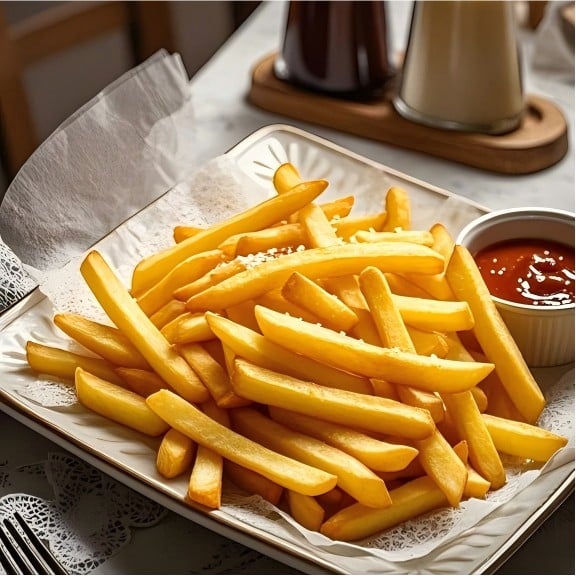
The science behind frozen french fries performance under heat lamps involves moisture dynamics, heat distribution patterns, and the protective properties of the fries' outer structure. When frozen french fries are initially fried, they develop a starch-based outer layer that becomes crispy through moisture evaporation and Maillard reactions. Under a heat lamp, this carefully engineered structure works in conjunction with controlled, radiant heat to extend crispiness far longer than traditional warming methods. Recognizing this relationship helps foodservice professionals optimize their holding strategies and maintain product quality throughout service periods.
The Structural Science of Frozen French Fries Crispiness
How Frozen French Fries Develop Their Crispy Exterior
Frozen french fries achieve their signature crispiness through a dual-step cooking process that begins during manufacturing. First, potatoes are cut, blanched, and partially cooked, then frozen at extremely low temperatures to lock in moisture content and structural integrity. When frozen french fries are fried in the kitchen, the intense heat causes rapid moisture evaporation from the surface while the interior remains tender and fluffy. This contrast between a crispy exterior and a soft interior defines the ideal texture profile that customers expect from premium frozen french fries.
The outer layer of frozen french fries contains modified starches and proteins that undergo chemical transformation during frying. These compounds create a protective barrier that seals in moisture from the potato interior while resisting reabsorption of ambient humidity. The quality of frozen french fries depends heavily on this barrier's integrity, which remains stable under moderate heat but deteriorates when exposed to excessive moisture or temperature fluctuations. Understanding this structure explains why frozen french fries behave differently under heat lamps compared to other warming environments.
The Role of Moisture Control in Frozen French Fries Quality
Moisture represents the primary enemy of frozen french fries crispiness, as excess humidity causes the outer layer to soften through moisture reabsorption. Heat lamps specifically counteract this process by providing dry, radiant heat that continuously evaporates surface moisture without creating saturated air around frozen french fries. Unlike steam tables or enclosed warming cabinets where moisture accumulates, heat lamps emit infrared radiation that applies heat directly to the fries' surface. Frozen french fries maintain their structural integrity because the heat lamp environment prevents the conditions that typically destroy crispiness during extended holding periods.
The thermal environment created by heat lamps maintains a gradient between frozen french fries' outer surface and the surrounding air. This gradient encourages continuous, gentle moisture evaporation from the fries' exterior while preventing excessive heat penetration that would over-dry or burn the product. Frozen french fries positioned correctly under a heat lamp experience ideal conditions where the protective starch barrier remains intact and functional. Improper placement or excessive lamp intensity can overwhelm this delicate balance, causing frozen french fries to lose crispiness despite the heat source's theoretical advantages.
Heat Lamp Dynamics and Frozen French Fries Preservation
Radiant Heat Transfer and Frozen French Fries Texture
Heat lamps operate through infrared radiation, which penetrates the outer layer of frozen french fries and transfers energy directly to the potato structure beneath. This radiant mechanism differs fundamentally from convection heating or steam-based warming, which often create humid environments detrimental to frozen french fries quality. The infrared wavelengths emitted by heat lamps preferentially warm surfaces while allowing air circulation to carry away evaporated moisture. Frozen french fries benefit from this specific heating pattern because it replicates the dry-heat environment that originally created their crispiness during the frying process.
Temperature consistency represents another advantage of heat lamps for maintaining frozen french fries texture over extended periods. Unlike holding cabinets where temperature may fluctuate or hot plates that concentrate intense heat in localized areas, heat lamps provide relatively uniform infrared exposure across batches of frozen french fries. This consistency prevents thermal shock that might crack the outer layer or cause uneven moisture loss. Well-designed heat lamp configurations maintain frozen french fries at temperatures that preserve crispiness without accelerating starch degradation or creating excessive browning that would compromise visual quality.
Air Circulation and Frozen French Fries Crispiness Extension
Heat lamp installations typically incorporate air circulation patterns that interact favorably with frozen french fries' surface conditions. As warm air rises and cooler air moves beneath heating elements, natural convection patterns develop that continuously exchange moisture-laden air around frozen french fries for drier air from elsewhere in the space. This circulation prevents the buildup of humid microclimates directly adjacent to frozen french fries, which would otherwise trigger rapid crispiness loss. Frozen french fries positioned strategically in relation to air flow patterns experience extended hold times before quality degradation becomes noticeable to consumers.
The positioning of frozen french fries within the heat lamp field significantly impacts how long crispiness persists. Fries placed too close to lamp elements may experience localized over-heating that damages surface texture, while fries positioned too far away lose the benefit of radiant energy and return to normal moisture-absorption patterns. Optimal placement of frozen french fries under heat lamps represents a balance between adequate infrared exposure and sufficient air circulation to remove evaporated moisture. Professional foodservice operators achieve this balance through careful spacing, rotation schedules, and understanding of their specific equipment characteristics.
Practical Implications for Frozen French Fries Holding and Service
Maximizing Hold Time Without Compromising Frozen French Fries Quality
Implementing effective heat lamp strategies for frozen french fries requires understanding the time-temperature relationship that governs texture preservation. Most frozen french fries maintain peak crispiness for approximately 15 to 25 minutes under properly configured heat lamps, depending on lamp intensity, air circulation, and initial fry quality. Operators can extend this window by periodically removing frozen french fries and exposing fresh batches, preventing any single batch from experiencing excessive thermal stress. Frozen french fries that remain under heat lamps beyond optimal hold times begin showing texture degradation as surface moisture gradually reabsorbs despite the dry-heat environment.
Strategic portion sizing and batch-frying schedules directly influence the customer experience when serving frozen french fries from heat lamp systems. Preparing frozen french fries in smaller, more frequent batches ensures that most orders arrive with product that has spent minimal time under warming equipment. This operational approach maximizes the competitive advantage that frozen french fries offer through their texture stability, as opposed to fresh-cut alternatives that deteriorate rapidly under any warming condition. Frozen french fries served immediately or within their optimal hold window represent a significant value proposition for high-volume foodservice operations.
Equipment Selection and Maintenance for Optimal Frozen French Fries Results
The specific design and maintenance of heat lamp equipment directly affects how well frozen french fries retain crispiness during service. Heat lamps with adjustable intensity settings allow operators to match heating output to ambient conditions and production volumes, preventing the over-heating that would compromise frozen french fries quality. Regular cleaning of lamp elements ensures consistent infrared output, as dust accumulation reduces heat transfer efficiency and creates uneven warming patterns that degrade frozen french fries unevenly. Operators who maintain heat lamp systems properly see measurably better results in frozen french fries texture consistency compared to facilities with poorly maintained equipment.
Choosing the correct heat lamp configuration for a specific operation's frozen french fries volume and service model requires attention to equipment specifications and layout planning. Infrared lamps, ceramic elements, and tungsten heat sources each produce slightly different thermal characteristics that influence how frozen french fries respond during extended holding. Facilities serving large volumes of frozen french fries benefit from dedicated warming equipment designed specifically for this application, rather than improvised solutions that may create uneven heating or excessive moisture retention. Understanding these distinctions helps operators make informed capital equipment decisions that support frozen french fries quality objectives.
FAQ
How long can frozen french fries stay crispy under a heat lamp?
Frozen french fries typically maintain peak crispiness for 15 to 25 minutes under properly configured heat lamps, though this timeframe varies based on lamp intensity, air circulation, initial fry quality, and environmental humidity. After this optimal hold window, frozen french fries gradually absorb atmospheric moisture and begin losing the crispy texture that distinguishes premium products. Operators can extend quality by serving frozen french fries within this window and managing batch sizes to ensure freshness for each order.
Why do frozen french fries become soft when held in enclosed warming cabinets?
Enclosed warming cabinets trap steam and moisture inside, creating saturated air conditions that force frozen french fries to reabsorb surface moisture. This reabsorption breaks down the protective starch barrier that initially created crispiness, causing the outer layer to soften within minutes. Heat lamps avoid this problem by providing dry, radiant heat in open environments where evaporated moisture can escape freely, preserving frozen french fries' desirable texture profile throughout extended hold periods.
Can all frozen french fries brands perform equally well under heat lamps?
Frozen french fries quality varies between manufacturers based on manufacturing processes, starch composition, cut size, and coating formulations. Premium frozen french fries engineered with robust starch barriers and optimal moisture content perform significantly better under heat lamps than lower-quality alternatives. Selecting high-quality frozen french fries from reputable suppliers ensures that your operation can fully leverage heat lamp advantages and deliver consistent crispiness that meets customer expectations.