
 EN
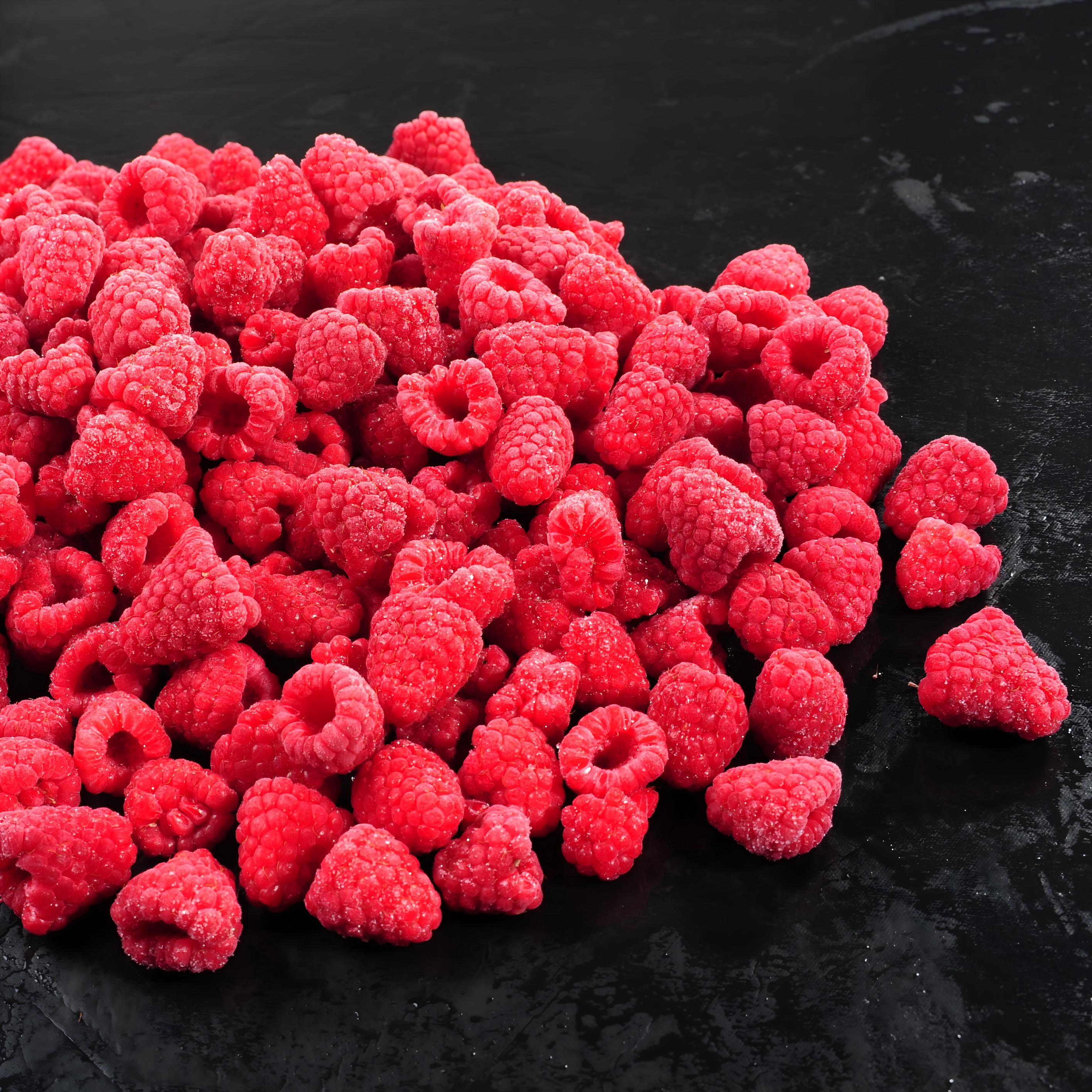
Color bleeding remains one of the most persistent challenges for food processors working with frozen berries. When anthocyanins and other natural pigments leach into surrounding products during production, the visual appeal of the finished item suffers significantly. Understanding how to prevent color bleeding when using frozen berries is essential for maintaining product quality, extending shelf life, and meeting consumer expectations for appearance and consistency. This challenge affects everything from yogurt and baked goods to smoothie bowls and desserts, making it a critical concern across the food manufacturing industry.
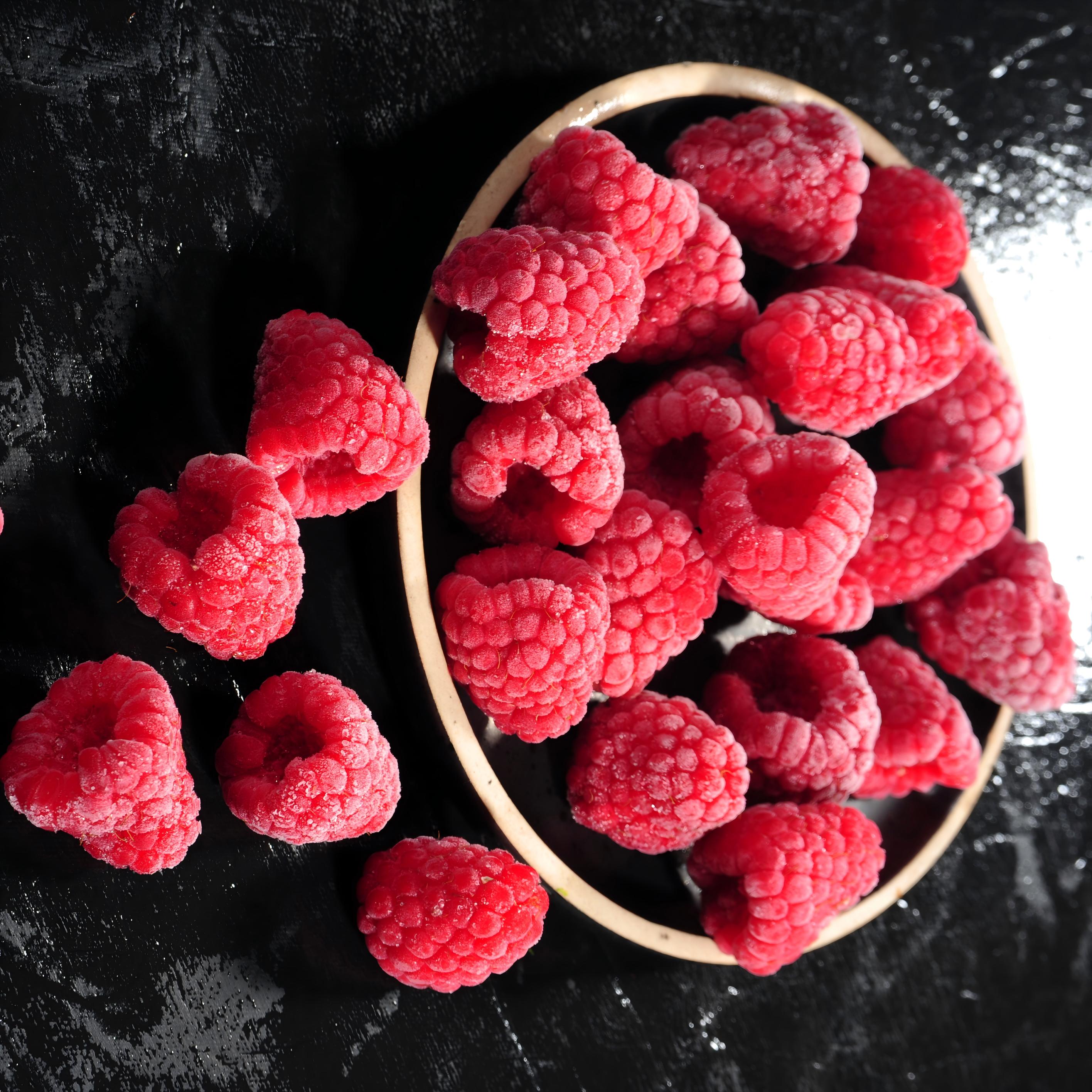
The science behind color bleeding from frozen berries is straightforward: during freezing and thawing cycles, cell walls break down, releasing pigment-rich liquids into the product matrix. When food processors understand the root causes and apply targeted mitigation strategies, they can significantly reduce or eliminate color bleeding. The most successful approach combines proper handling techniques, strategic formulation adjustments, and careful process control. By implementing these methods, manufacturers can work confidently with frozen berries while maintaining the visual integrity that today's consumers demand.
Understanding the Root Causes of Color Bleeding in Frozen Berries
Why Frozen Berries Release Pigment
Frozen berries undergo structural stress during the freezing process, which ruptures cellular membranes and cell walls. When frozen berries are used in food processing, especially during thawing or mixing stages, the damaged cell structure becomes even more compromised. The natural pigments stored in vacuoles—particularly anthocyanins in blackberries and raspberries—are released into any liquid or product matrix with which they come into contact. This pigment migration is accelerated by temperature fluctuations, pH changes, and prolonged contact between frozen berries and other ingredients. Understanding this mechanism is the first step toward effective prevention strategies when handling frozen berries.
Environmental and Processing Factors
Several processing conditions intensify color bleeding from frozen berries. Higher temperatures accelerate pigment leaching, which is why rapid thawing creates more color release than gradual thawing. The pH of surrounding products also influences how quickly anthocyanins dissolve into the medium; acidic environments tend to stabilize pigments, while neutral or alkaline conditions increase bleeding. Frozen berries stored at fluctuating temperatures release more pigment than those maintained at consistent cold conditions. Additionally, mechanical agitation during mixing or processing disrupts the berry structure further, releasing additional pigment. Processors must control these variables simultaneously to minimize color bleeding when using frozen berries.
Proven Techniques for Preventing Color Bleeding
Controlled Thawing and Handling Protocols
The most effective method to prevent color bleeding is managing how frozen berries enter the production process. Gradual thawing in cold conditions preserves berry structure better than rapid thawing, reducing pigment release significantly. Many processors thaw frozen berries in refrigerated environments or add them directly to cold batches rather than exposing them to room temperature. For applications where frozen berries must be added to warm products, incorporating them at the final stages of production minimizes contact time with hot materials. Additionally, using frozen berries in their whole state rather than grinding or mashing them before processing reduces surface area exposure and limits color bleeding. Processors who adopt these handling protocols report substantially lower color migration when working with frozen berries.
Formulation and Stabilization Strategies
Beyond handling, strategic formulation adjustments prevent color bleeding from frozen berries. Lowering the pH of the surrounding product through acids like citric or ascorbic acid stabilizes anthocyanins and reduces pigment diffusion. Starch or gelling agents can physically trap pigment particles, preventing them from migrating into the product matrix when using frozen berries. Pectin-based stabilizers work particularly well in dairy and baked goods applications. Some processors use modified starch or hydrocolloids to create barriers around frozen berries, isolating pigments from adjacent ingredients. Encapsulation techniques, where frozen berries are coated with protective films or wrapped in stabilizing compounds before addition, provide another layer of protection. These formulation strategies are most effective when combined with proper handling of frozen berries.
Processing Equipment and Conditions
Equipment selection and processing parameters critically influence how much color bleeding occurs when using frozen berries. Gentle mixing speeds preserve berry integrity better than high-speed blending, reducing pigment release. Temperature control during production is essential; keeping batches cool during processing with frozen berries prevents thermal stress that accelerates pigment leaching. Some food processors install specialized holding tanks where frozen berries are kept separate until the moment of addition, minimizing exposure time. Quick freezing of finished products containing frozen berries can halt ongoing color diffusion. Additionally, using inert atmosphere packaging or vacuum-sealing finished products limits oxygen-driven oxidation that darkens pigments and makes color bleeding more visible. These equipment and process decisions collectively reduce color migration from frozen berries.
Quality Control and Testing Strategies
Monitoring Color Stability During Production
Effective quality control begins with baseline testing whenever food processors introduce frozen berries into a new formulation. Performing time-series color measurements at different stages of production reveals how quickly pigment bleeding occurs and identifies critical control points. Spectrophotometers or color analyzers provide objective data on pigment migration, moving beyond subjective visual assessment. By testing samples at regular intervals during production and storage, processors can detect when color bleeding exceeds acceptable limits and adjust parameters in real time. Many advanced facilities conduct accelerated shelf-life testing with frozen berries under various temperature and pH conditions to predict long-term performance. Regular testing with frozen berries ensures consistency across batches and prevents surprise failures at retail.
Documentation and Specification Management
Establishing clear specifications for frozen berries prevents inconsistent results. Processors should specify acceptable pigment levels, berry size, and moisture content when sourcing frozen berries, as high-moisture berries bleed more readily. Supplier documentation of harvesting date, freezing date, and storage conditions helps explain variations in bleeding behavior. Maintaining detailed production records—including processing temperatures, pH measurements, mixing times, and storage conditions—allows processors to correlate changes in color performance with specific variables. These records prove invaluable when troubleshooting color issues with frozen berries. Building this documentation system transforms color management from guesswork into a controlled, predictable process.
FAQ
Why do frozen berries bleed color more than fresh berries?
Frozen berries undergo cell rupture during the freezing process, which breaks down cellular membranes and releases pigments stored in cell vacuoles. Fresh berries have intact cell structures that contain pigments more effectively. Once frozen berries are thawed or used in production, the damaged cells continue releasing anthocyanins and other pigments into surrounding ingredients, particularly when exposed to temperature changes, pH shifts, or mechanical agitation. This is why color bleeding from frozen berries is a more significant challenge than working with fresh berries.
Can acid additives really prevent color bleeding from frozen berries?
Yes, acid additives are highly effective at stabilizing anthocyanins and reducing color bleeding from frozen berries. Lower pH environments—typically below 4.5—keep anthocyanin pigments in their most stable, colored forms and reduce diffusion into surrounding products. Citric acid, ascorbic acid, and malic acid are commonly used by food processors to stabilize color when incorporating frozen berries. The stabilizing effect is most pronounced when acid is added before or simultaneously with frozen berries, creating an immediately protective environment. However, acid additions must remain within acceptable taste and regulatory parameters for the final product.
What is the best temperature for thawing frozen berries to minimize color bleeding?
Thawing frozen berries at refrigerated temperatures—between 35 and 40 degrees Fahrenheit—minimizes color bleeding compared to room temperature thawing. Gradual thawing in cold environments preserves cell structure as much as possible, reducing pigment release. Some advanced processors thaw frozen berries in vacuum-sealed packages to limit exposure to air and prevent oxidative degradation of pigments. The slowest thawing methods produce the least color bleeding, though faster methods may be acceptable if frozen berries are then immediately incorporated into cold products or acidified formulations that stabilize released pigments.