
 EN
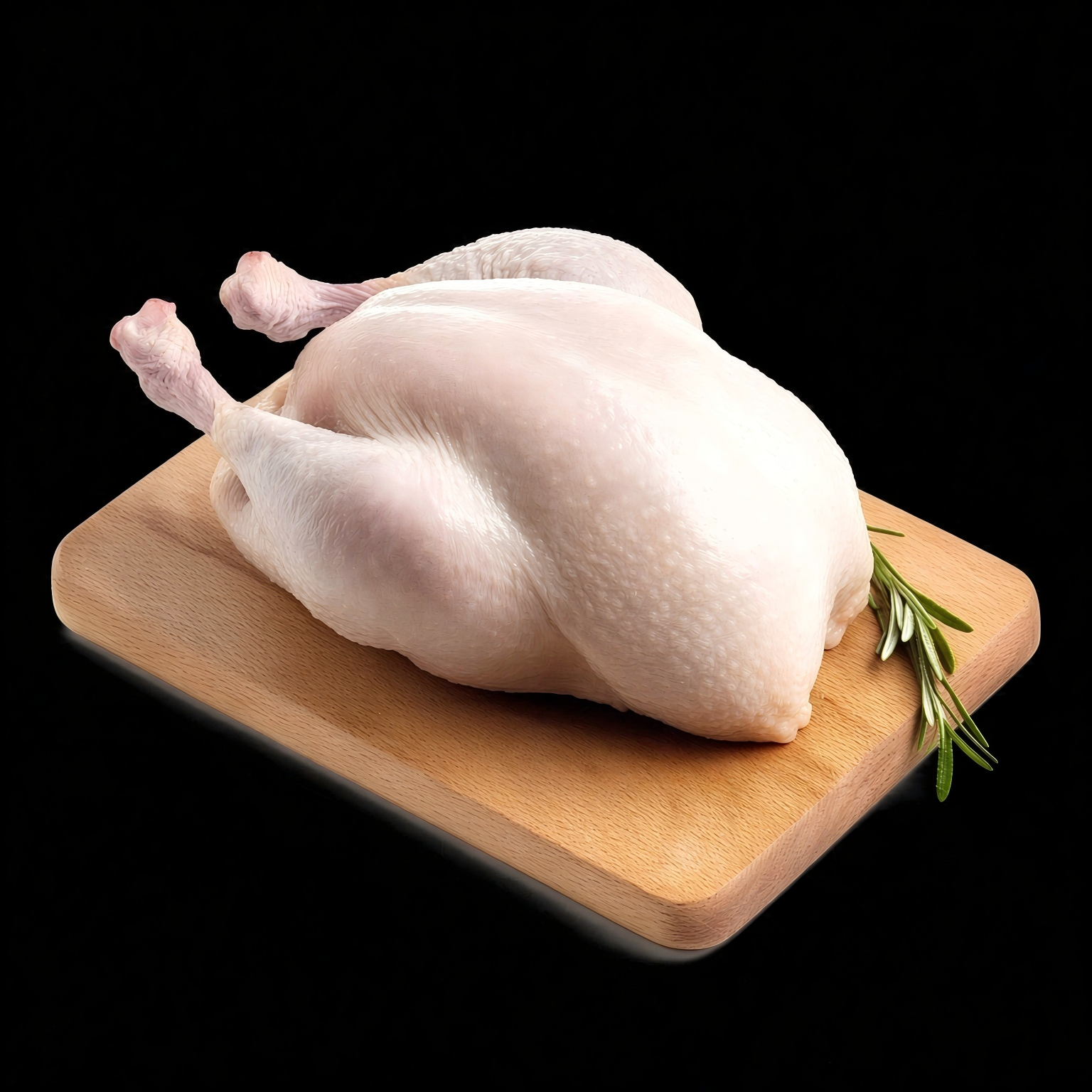
The global market for halal chicken has experienced remarkable expansion over the past decade, with consumer demand reaching unprecedented levels across multiple regions and demographics. This surge reflects far more than simple dietary preference—it represents a fundamental shift in how food producers, retailers, and consumers prioritize quality, ethics, and religious compliance. Understanding why halal chicken consumption is accelerating requires examining the convergence of demographic growth, rising consumer consciousness, regulatory recognition, and supply chain maturation that collectively drive this market phenomenon.
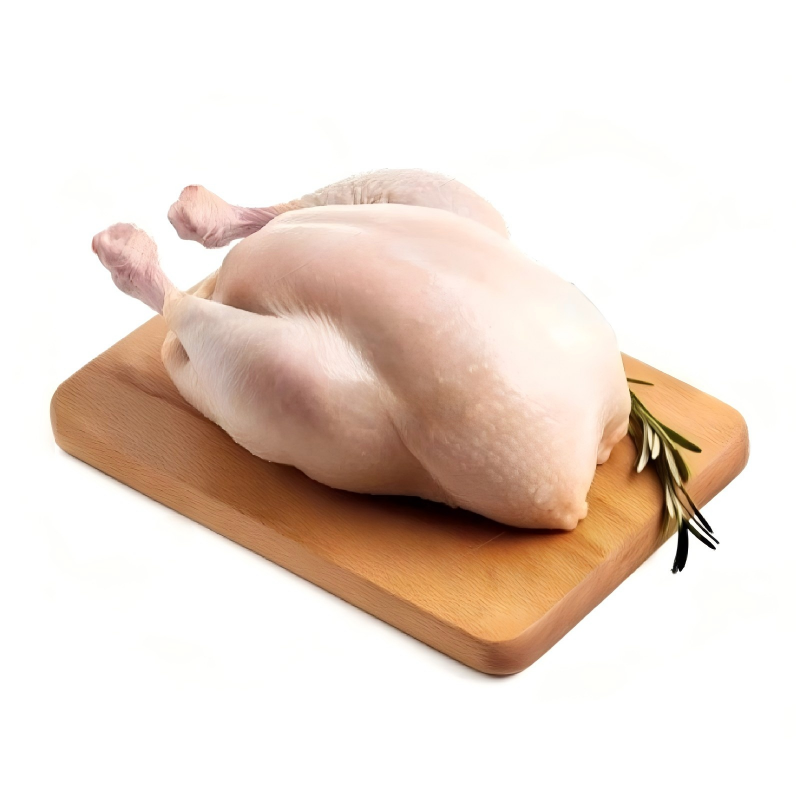
Premium halal chicken products now command significant market share in Europe, Southeast Asia, the Middle East, and North America, where Muslim populations and ethically minded consumers actively seek certified halal options. The expansion of halal chicken availability has transformed what was once a niche market segment into a mainstream category that major retailers, food service operators, and manufacturers actively develop and promote. This article explores the key drivers behind halal chicken market growth and examines why industry experts anticipate continued acceleration in demand.
Demographic Expansion and Consumer Base Growth
Rising Muslim Population and Urban Concentration
Global Muslim populations have grown substantially, with projections indicating that one in four people worldwide will follow Islam by 2050. This demographic expansion directly correlates with increased halal chicken consumption, as observant Muslims prioritize products that comply with Sharia dietary laws. Urban centers in Europe, North America, and Asia have witnessed particularly notable increases in Muslim communities, creating localized demand clusters where halal chicken retailers and restaurants experience strong sales growth and consistent customer loyalty.
Beyond religious demographics, halal chicken appeals to broader consumer segments seeking ethically produced protein. Environmentally conscious buyers, animal welfare advocates, and health-oriented consumers view halal production standards as indicators of higher quality slaughter practices and animal care. This cross-demographic appeal has transformed halal chicken from a religiously mandated product into a premium lifestyle choice, expanding the addressable market far beyond the Muslim consumer base and driving mainstream retailers to stock halal chicken options.
Young Generation Preferences and Lifestyle Alignment
Younger consumers demonstrate stronger preferences for halal chicken compared to previous generations, viewing certification as a marker of food safety, transparency, and ethical sourcing. Social media influence, increased awareness of production methods, and digital access to halal chicken information have normalized halal certification among Gen Z and millennial shoppers who actively seek traceability and documented compliance. This generational shift ensures sustained demand growth as these demographics become primary grocery decision-makers and expand halal chicken consumption across diverse household types and income levels.
Quality Perception and Premium Market Positioning
Slaughter Method and Perceived Meat Quality
Halal chicken producers employ specific slaughter techniques mandated by Islamic law that many consumers and producers believe result in superior meat quality, reduced stress hormones, and better preservation of flavor compounds. The controlled, hand-performed nature of halal slaughter contrasts with industrial mechanical methods, creating a perception of craft production and attentive quality control. This quality association has enabled halal chicken to command premium pricing in markets where consumers willingly pay price premiums for products perceived as superior, less processed, and produced under rigorous ethical standards.
Scientific research on halal chicken production methods has provided objective support for quality claims, documenting lower bacterial contamination rates, better nutritional retention, and superior organoleptic properties compared to conventionally processed poultry. These studies have legitimized the premium positioning of halal chicken and encouraged retailers to feature halal chicken prominently in premium product sections rather than treating it as a specialty niche category. Certification bodies and regulatory agencies have increasingly recognized halal chicken as a quality assurance marker, which further reinforces consumer confidence and justifies premium retail margins.
Transparency and Certification Standards
The halal chicken industry has developed increasingly robust certification frameworks that provide consumers with documented traceability from farm through retail sale. Major certification bodies maintain transparent databases, conduct regular audits, and publish compliance documentation that allows consumers to verify the authenticity of halal chicken products. This formalized certification infrastructure differentiates legitimate halal chicken from uncertified products and builds consumer trust, which directly supports premium pricing and market expansion for verified halal chicken suppliers.
Market Integration and Retail Accessibility
Mainstream Retail Adoption and Distribution Expansion
Major supermarket chains across Europe, North America, and Asia have integrated halal chicken into standard product assortments rather than restricting it to specialty sections, signaling institutional recognition of the category's mainstream appeal. This distribution expansion dramatically improves halal chicken accessibility for consumers who previously had limited purchasing options, directly supporting market growth and consumption frequency. Online grocery platforms and food delivery services now routinely feature halal chicken products, making purchase convenient for busy consumers and eliminating geographic barriers that previously constrained halal chicken market penetration.
Food service operators—including quick-service restaurants, casual dining establishments, and corporate cafeterias—have begun featuring halal chicken prominently on menus and promotional materials. This foodservice integration exposes halal chicken to consumers who might not actively seek it in retail environments but appreciate the option when dining out. The combination of retail and foodservice channel expansion has created multiple touchpoints where consumers encounter halal chicken, driving familiarity, trial, and repeat purchase behavior that sustains rapid market growth.
Supply Chain Development and Price Competitiveness
As halal chicken production has scaled globally, supply chains have become more efficient, specialized producers have entered the market, and competition has intensified in ways that gradually reduce price differentials between halal and conventional chicken. Improved logistics, larger batch processing, and technological investment have lowered production costs while maintaining compliance with halal certification requirements. This cost reduction makes halal chicken increasingly competitive on price while maintaining premium quality positioning, which accelerates adoption among price-conscious consumers who previously viewed halal chicken as prohibitively expensive.
Regulatory Recognition and Market Legitimation
Government Support and Institutional Framework
Governments across multiple continents have established formal halal chicken certification frameworks, investing in regulatory infrastructure that legitimizes the category and protects consumer interests. European Union regulations, North American regulatory agencies, and Asian food safety authorities have integrated halal chicken standards into official food safety protocols, treating halal chicken compliance as equivalent to other documented food safety measures. This regulatory legitimation signals institutional confidence in the category and encourages investment by major corporations that require formal government sanction before committing significant capital to new product categories.
Trade agreements increasingly incorporate halal chicken specifications, and international food standards bodies have developed recognized halal chicken documentation requirements that facilitate cross-border commerce. This institutional framework reduces market friction, lowers transaction costs for international halal chicken trading, and enables emerging producing nations to export certified halal chicken to developed markets. The resulting market expansion and competition sustains the growth trajectory that has made halal chicken one of the fastest-expanding protein categories in global food commerce.
Cultural Integration and Mainstream Normalization
In regions with established Muslim populations and multicultural urban centers, halal chicken has transitioned from perceived specialty product to normalized food category that non-Muslim consumers actively purchase alongside halal-unaware shoppers. This cultural normalization reduces friction and social friction that previously constrained halal chicken adoption, making it a natural option rather than explicitly religious choice. Media coverage, celebrity endorsements, and culinary trend adoption have further accelerated halal chicken normalization, positioning it as sophisticated and desirable rather than niche or unfamiliar.
FAQ
What specific quality advantages does halal chicken offer compared to conventionally processed poultry?
Halal chicken typically exhibits lower stress hormone levels due to controlled slaughter methods, reduced bacterial contamination, better nutritional retention, and superior flavor preservation compared to industrial mechanical processing. The hand-performed halal slaughter technique allows trained professionals to ensure proper technique and animal treatment, whereas large-scale mechanical systems prioritize throughput over individual quality assessment. Scientific studies have documented measurable quality differences in halal chicken, including better moisture retention, more stable color, and improved shelf life characteristics that justify premium pricing.
Is halal chicken certification recognized internationally, and how can consumers verify authenticity?
Major international halal certification bodies maintain recognized standards and publish verified supplier databases that consumers can consult to confirm halal chicken product authenticity. Certified products display official halal seals or documentation that reference the certifying organization and compliance status. Regulatory agencies across Europe, North America, and Asia maintain official halal chicken certification registries, enabling consumers to independently verify supplier credentials and product compliance through government or institutional resources.
Why has halal chicken consumption grown among non-Muslim consumers?
Non-Muslim consumers increasingly purchase halal chicken based on perceived quality advantages, ethical production standards, superior animal welfare practices, and transparency in sourcing and processing methods. Halal certification serves as a quality assurance marker that appeals to health-conscious, environmentally aware, and ethically minded consumers regardless of religious affiliation. The premium positioning of halal chicken in mainstream retail environments and food service venues has normalized the category, making it an attractive option for consumers seeking high-quality protein without explicit religious motivation.