
 EN
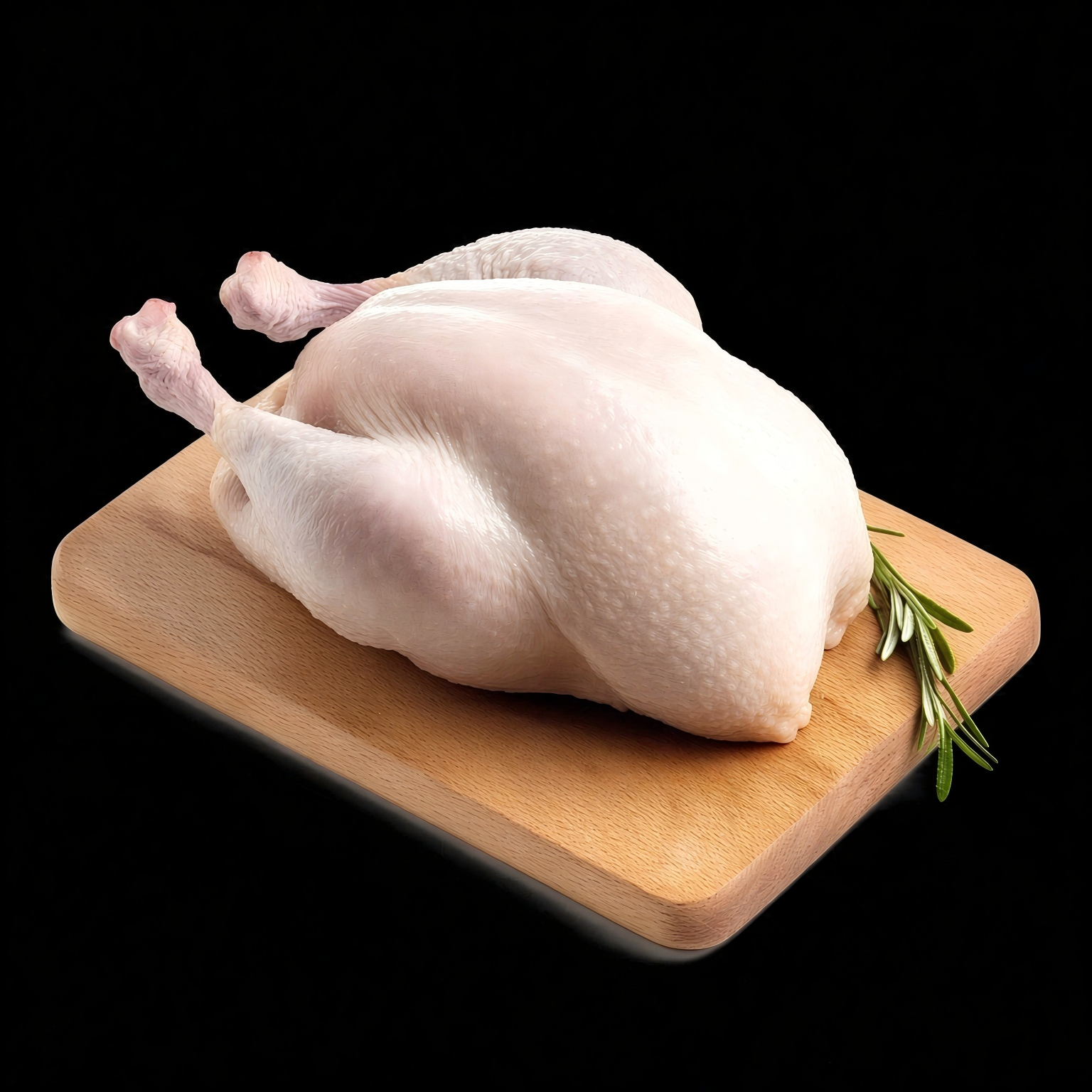
Muslim consumers around the world prioritize food that aligns with Islamic dietary principles, and halal chicken has become the cornerstone of compliant, trustworthy protein sources. The demand for halal chicken extends far beyond religious obligation; it represents a commitment to quality, ethical sourcing, and transparent production practices. When families make purchasing decisions for their meals, choosing halal chicken ensures that every step of production—from farm to table—meets rigorous Islamic standards. This trust is not automatic; it is earned through certification, consistent quality control, and genuine dedication to consumer welfare.
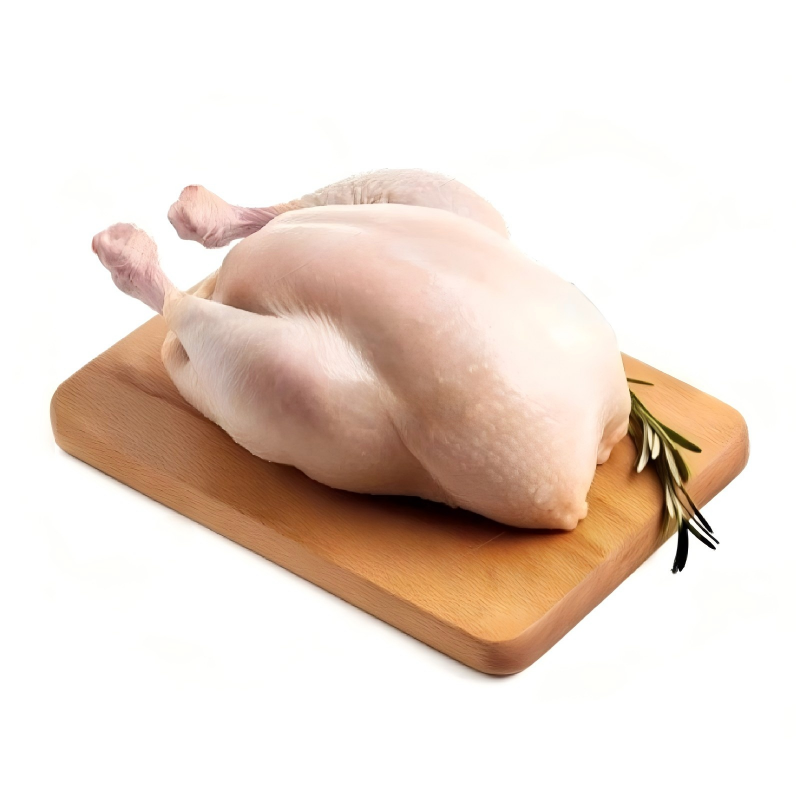
The certification of halal chicken involves multiple layers of verification, expertise, and ongoing oversight. Reputable producers of halal chicken work with qualified Islamic supervisors who monitor slaughter methods, feed ingredients, and facility conditions to maintain compliance. This multi-faceted approach transforms halal chicken from a simple product category into a verified promise of religious and ethical integrity. For Muslim consumers making meal planning decisions, halal chicken offers peace of mind and confidence in their food choices.
Understanding Halal Chicken Certification Standards
The Role of Islamic Supervision in Halal Chicken Production
Certified halal chicken production requires dedicated Islamic supervisors present during processing. These supervisors ensure that slaughter methods comply with Islamic law, which mandates that animals be treated humanely and that specific invocations accompany the process. Halal chicken certification agencies verify supervisor credentials, conduct regular training, and audit facilities to prevent deviation from standards. This continuous oversight distinguishes certified halal chicken from uncertified poultry and builds consumer confidence in the supply chain. The presence of qualified personnel is non-negotiable; it is the foundation upon which halal chicken trust is built.
Feed Ingredients and Processing Compliance for Halal Chicken
Every stage of halal chicken production, from animal feed to final packaging, must exclude prohibited substances. Feed ingredients are verified to contain no pork derivatives, alcohol-based additives, or non-halal bone meal. Halal chicken facilities maintain separate production lines to prevent cross-contamination with non-compliant products. Processing equipment is cleaned according to Islamic guidelines, and all additives used in halal chicken products—including preservatives and seasonings—must be certified halal themselves. This comprehensive approach ensures that halal chicken maintains its integrity from farm gate to consumer table.
Quality Assurance and Consumer Trust in Halal Chicken
How Halal Chicken Certification Builds Market Confidence
Third-party certification bodies that audit halal chicken producers provide independent verification that strengthens consumer confidence. These certifying organizations conduct surprise inspections, test facilities for compliance, and maintain transparent records of certified halal chicken suppliers. When Muslim families see a recognized halal certification mark on halal chicken packaging, they know that external experts have verified the product meets Islamic standards. This transparency is crucial because Muslim consumers understand that halal chicken certification requires genuine commitment, not merely cosmetic labeling. The trust placed in halal chicken reflects the rigorous nature of the certification process itself.
Religious Compliance and Ethical Sourcing in Halal Chicken
Beyond religious observance, halal chicken certification often aligns with animal welfare and ethical sourcing principles that appeal to conscientious consumers. Producers of halal chicken typically implement strict protocols for animal handling, humane treatment during transport, and dignified processing conditions. These practices reflect Islamic teachings about compassion toward animals, making halal chicken a product of both religious and ethical significance. Muslim consumers purchasing halal chicken often find that their religious choice simultaneously supports their values around sustainability and responsible farming. This convergence of faith and ethics strengthens the appeal of certified halal chicken across diverse consumer segments.
Market Accessibility and Selection of Authentic Halal Chicken
Identifying Genuine Certified Halal Chicken Products
Consumers seeking trustworthy halal chicken should prioritize products bearing certification from recognized Islamic organizations or halal boards. Authentic halal chicken packaging displays clear certification marks, certification numbers, and contact information for verification. halal chicken products from established suppliers typically include batch codes and manufacturing dates, allowing consumers to verify authenticity through certifying bodies. Labels on genuine halal chicken should specify the certifying organization and provide easy access to verification mechanisms. This transparency distinguishes premium halal chicken from products making unsubstantiated claims.
Building Long-Term Relationships with Halal Chicken Suppliers
Families and food service establishments that prioritize halal chicken often develop ongoing relationships with trusted suppliers who consistently deliver certified products. These suppliers maintain detailed records of their halal chicken sourcing, certification renewals, and compliance audits. Regular suppliers of halal chicken provide value through product consistency, reliable delivery, and responsive customer service. Consumers who commit to specific halal chicken brands benefit from knowing exactly what standards their chosen products meet. This relationship-based trust, combined with formal certification, creates a robust foundation for choosing halal chicken confidently.
FAQ
What makes halal chicken different from regular chicken?
Halal chicken differs from regular chicken through its compliance with Islamic dietary laws and ethical production standards. Halal chicken undergoes specific slaughter methods performed by trained Islamic supervisors, uses feed free from prohibited ingredients, and maintains separate processing lines to prevent contamination. The entire supply chain for halal chicken is monitored by third-party certifying organizations to ensure religious and ethical compliance. Regular chicken may not meet these stringent requirements, making halal chicken the choice for Muslim consumers seeking authentic compliance.
How can consumers verify that chicken is genuinely halal certified?
Consumers can verify halal chicken by checking for certification marks from recognized Islamic organizations on packaging and contacting the certifying body directly to confirm the product's status. Genuine halal chicken includes batch numbers, manufacturing dates, and certifier contact information, allowing verification through official channels. Many certifying organizations maintain online databases where consumers can search halal chicken suppliers and products. Purchasing halal chicken from established retailers and reputable suppliers reduces the risk of encountering counterfeit or non-compliant products.
Why is halal chicken considered trustworthy for Muslim families?
Halal chicken is considered trustworthy because it represents the result of rigorous certification, Islamic supervision, and transparent supply chain management. Halal chicken producers undergo regular audits, maintain compliance records, and work with qualified Islamic advisors to ensure standards are consistently met. For Muslim families, choosing halal chicken means entrusting their dietary needs to organizations that prioritize both religious observance and ethical responsibility. The investment in halal chicken certification by producers demonstrates their genuine commitment to serving Muslim consumers with integrity and respect.