
 EN
EN
Food service operators face constant pressure to balance quality, cost, and operational efficiency. Frozen seafood has emerged as the practical solution that transforms how restaurants, catering companies, and institutional kitchens manage their seafood inventory. Unlike fresh alternatives that demand daily sourcing, complex logistics, and rapid turnover, frozen seafood offers reliability, consistency, and significant operational advantages that make it the preferred choice for professional food service environments.
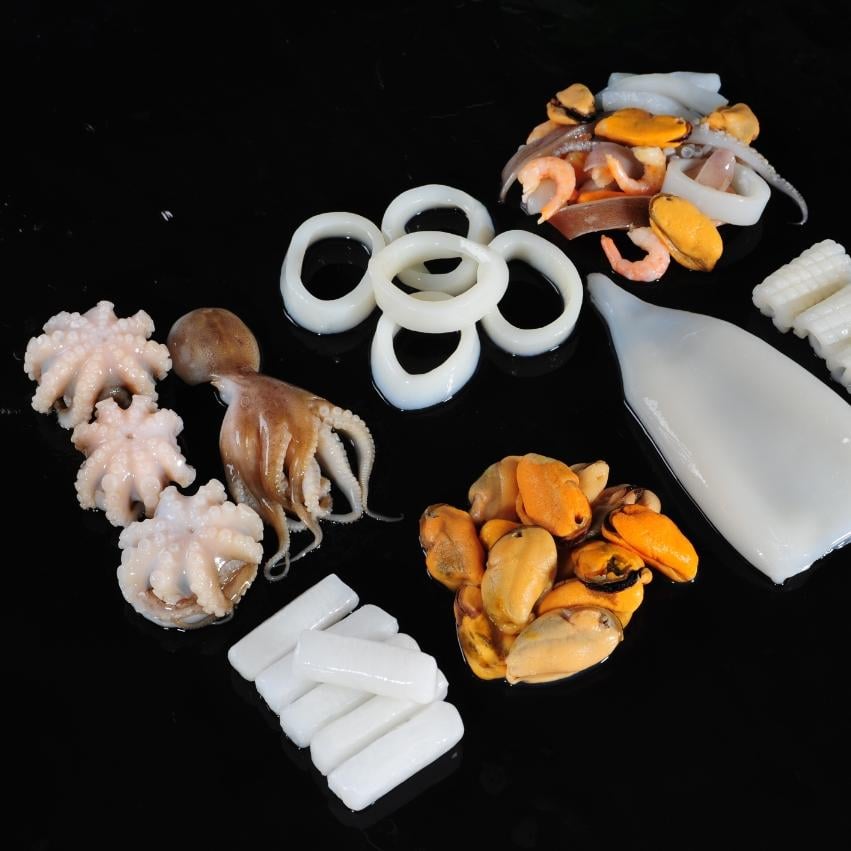
The decision to incorporate frozen seafood into your food service operation is not about settling for lower quality; it's about choosing a supply model that aligns with modern food service demands. Frozen seafood maintains nutritional integrity, delivers superior food safety outcomes, and eliminates the unpredictability that often accompanies fresh seafood sourcing. This practical shift has reshaped how professional kitchens operate worldwide.
Extended Shelf Life and Storage Efficiency
Dramatically Longer Product Availability
Frozen seafood provides food service operations with an unprecedented advantage: products remain viable for months rather than days. Fresh seafood typically maintains quality for only two to four days after delivery, creating constant pressure on inventory management and forcing daily purchasing decisions. Frozen seafood, when properly stored at minus eighteen degrees Celsius or below, maintains quality for six to twelve months depending on the species and processing method. This extended window transforms procurement strategy and reduces waste significantly.
For food service managers, this longevity means reduced emergency orders, fewer supplier dependency issues, and the ability to purchase during optimal pricing periods. When you stock frozen seafood, you're not locked into daily market fluctuations or dependent on a single supplier's availability. This buffer creates operational flexibility that fresh seafood simply cannot provide.
Optimized Cold Storage Integration
Most food service kitchens already operate commercial freezer systems. Adding frozen seafood requires no additional infrastructure investment, unlike fresh seafood which demands dedicated refrigerated display cases and separate handling protocols. Frozen seafood integrates seamlessly into existing cold chain systems, allowing operators to maximize their current equipment investment. The storage footprint remains predictable and manageable throughout service periods.
Food service operations benefit from inventory visibility when storing frozen seafood because products don't degrade rapidly. Unlike fresh seafood where daily inspection and rotation become labour-intensive tasks, frozen seafood maintains consistent quality across longer storage periods. This predictability reduces the daily management burden on kitchen staff.
Cost Control and Procurement Advantages
Stable Pricing and Budget Predictability
Fresh seafood pricing fluctuates dramatically based on seasonal availability, weather conditions, and global supply disruptions. Frozen seafood pricing remains significantly more stable because the product can be harvested during peak seasons and distributed throughout the year. Food service operators who use frozen seafood lock in consistent costs, making budget forecasting and menu pricing strategies far more reliable. This predictability directly impacts profitability margins.
When frozen seafood pricing does shift, the movement is typically gradual and manageable compared to the sudden spikes that fresh alternatives experience. Food service directors can confidently project annual seafood costs, allocate budgets accurately, and design menus that maintain consistent profitability. This financial advantage becomes increasingly valuable as labour and operational costs continue rising across the food service sector.
Reduced Waste and Loss Prevention
Fresh seafood waste represents a significant financial drain in food service operations. Products that don't sell within narrow freshness windows become complete losses. Frozen seafood dramatically reduces waste because items remain usable across extended periods. Food service operators can portion frozen seafood products exactly as needed, whether preparing fifty plates today or three hundred tomorrow. This flexibility aligns product preparation with actual demand rather than forcing purchasing decisions days in advance.
The economic advantage compounds when considering trim waste. Frozen seafood can be processed and portioned by the supplier, eliminating on-site labour costs associated with cleaning, filleting, and portioning fresh alternatives. Food service kitchens receive exactly what they need in the exact format required, whether whole frozen seafood products, fillets, or portion-controlled pieces.
Quality Consistency and Food Safety Standards
Uniform Product Quality and Specifications
Fresh seafood quality varies considerably depending on daily sourcing conditions, transportation delays, and handling during distribution. Frozen seafood is harvested at peak freshness, frozen immediately aboard processing vessels, and maintains that peak quality through the entire supply chain. This immediate freezing preserves nutritional content, texture, and flavour better than fresh alternatives that may spend three to five days in transit. Food service operations consistently receive identical quality frozen seafood across all deliveries.
For food service operations managing multiple locations or maintaining consistent menu standards, frozen seafood eliminates quality variation that frustrates both operators and customers. When a restaurant promises specific flavour and texture profiles, frozen seafood delivers predictability that fresh sourcing cannot match. This consistency builds customer trust and reduces kitchen complications from variable product quality.
Enhanced Food Safety and Compliance Documentation
Frozen seafood undergoes rigorous processing, testing, and documentation throughout the supply chain. Every batch is tracked, certified, and supported by comprehensive traceability records that meet regulatory requirements. Food service operators receive complete documentation about catch location, processing methods, and safety testing results. This transparency exceeds what fresh seafood supply chains typically provide because frozen seafood products must meet international export standards.
The freezing process itself eliminates most pathogenic bacteria and parasites that can compromise fresh seafood safety. Food service operations reduce foodborne illness risk significantly by incorporating frozen seafood. Kitchen staff also benefit from lower cross-contamination risk because frozen seafood products arrive in sealed packaging rather than exposed to handling during distribution. For food service managers prioritizing health code compliance and customer safety, frozen seafood represents the more defensible sourcing choice.
Operational Flexibility and Supply Chain Resilience
Consistent Availability During Peak Demand Periods
Fresh seafood availability fluctuates seasonally, creating supply gaps precisely when food service operations need inventory most. Holiday periods, summer festivals, and special event seasons frequently coincide with reduced fresh seafood availability or elevated pricing. Frozen seafood maintains consistent availability regardless of season, allowing food service operators to commit confidently to large events, promotional menus, and seasonal specials without supplier risk.
This reliability transforms strategic planning for food service companies. Catering operations can accept large contracts knowing frozen seafood will be available. Restaurants can feature consistent menu items year-round without seasonal interruption. Institutional food service providers can serve frozen seafood with predictable regularity across their facility network.
Adaptability to Changing Operational Needs
Food service operations experience unpredictable demand fluctuations. A venue expecting five hundred guests might receive one thousand registrations, or a restaurant that projects strong weekend sales might face unexpected slowdowns. Frozen seafood inventory adapts to these variations because products won't spoil if usage patterns change. Food service managers can increase preparation volume without waste risk, or scale back portion production without financial loss from unsold perishable inventory.
This flexibility extends to menu development and innovation. Chefs can experiment with new frozen seafood preparations without committing to large fresh purchases that may not sell. Food service operations that want to test market response to new dishes benefit from frozen seafood's lower financial risk profile. This encourages culinary creativity while protecting operational margins.
FAQ
Does freezing frozen seafood affect nutritional quality compared to fresh alternatives?
Frozen seafood actually preserves nutritional value more effectively than fresh alternatives. Because frozen seafood is processed and frozen immediately after harvest, it retains amino acids, omega-3 fatty acids, and vitamins at peak levels. Fresh seafood begins losing nutritional density from the moment it's caught, during transport, and while sitting in retail display cases. Scientific research consistently demonstrates that frozen seafood maintains superior nutritional profiles compared to fresh seafood that has travelled for several days. For food service operations concerned about customer nutrition, frozen seafood represents the nutritionally sound choice.
What preparation techniques work best with frozen seafood in professional kitchens?
Frozen seafood works exceptionally well in professional food service applications including pan-searing, grilling, steaming, baking, and incorporation into mixed dishes like seafood stews or grain bowls. Many chefs prefer cooking frozen seafood directly without thawing because it maintains texture better and reduces moisture loss during cooking. Thawing frozen seafood in refrigeration overnight before cooking is also effective when preparing delicate preparations. Food service kitchens often find frozen seafood easier to portion and prepare consistently than fresh alternatives, particularly during high-volume service periods where consistency matters most.
How do food service operations integrate frozen seafood without extensive staff training?
Frozen seafood requires minimal staff training compared to fresh seafood handling protocols. Most commercial kitchens already possess the necessary equipment and cold chain knowledge to manage frozen seafood safely. Staff simply need to understand basic food safety principles: keeping products frozen until cooking, avoiding refreezing, and following standard cooking temperatures. Many frozen seafood products arrive pre-portioned or pre-cleaned, reducing preparation complexity. Food service managers typically implement frozen seafood successfully within existing operational frameworks because the learning curve remains shallow and integration costs stay minimal.