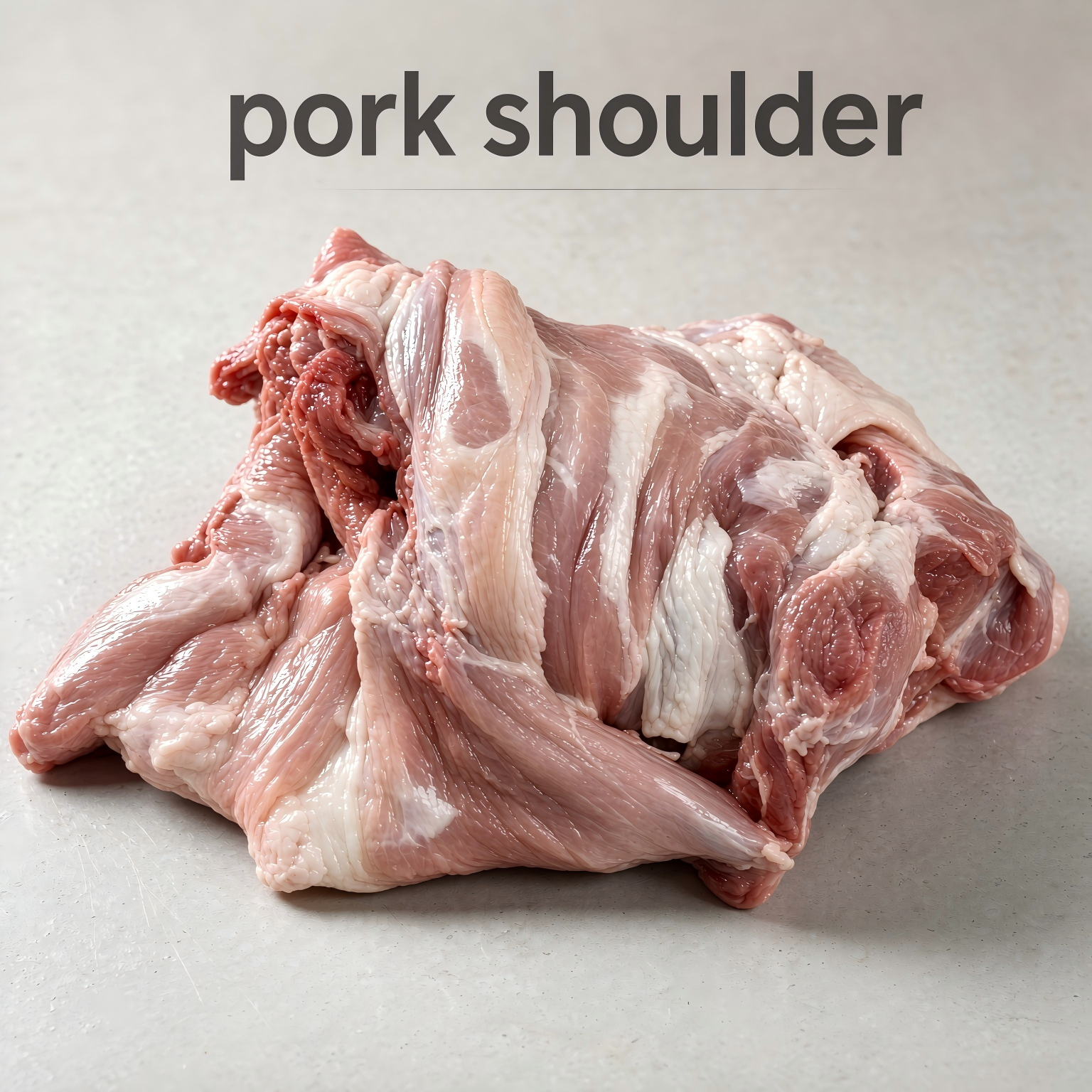
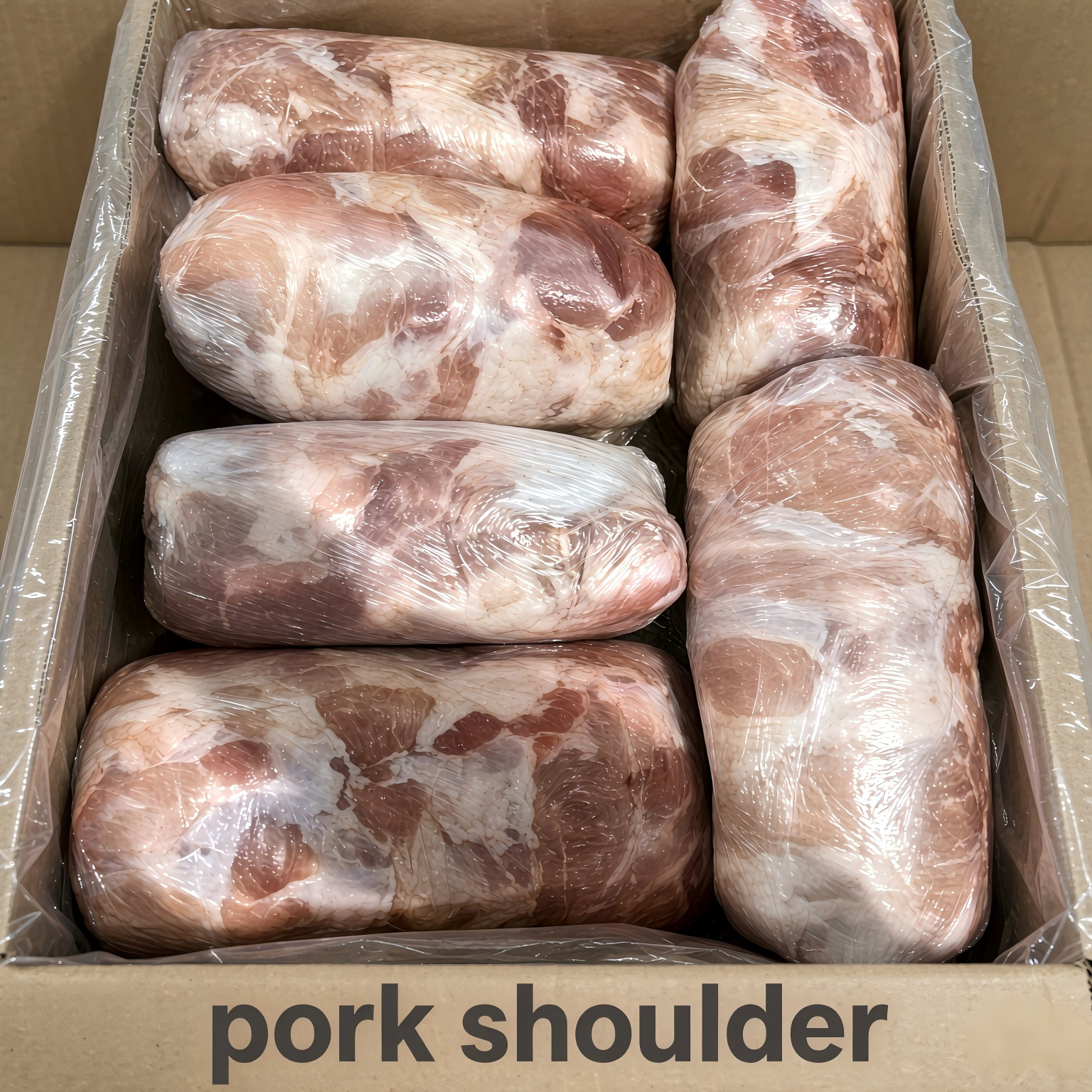
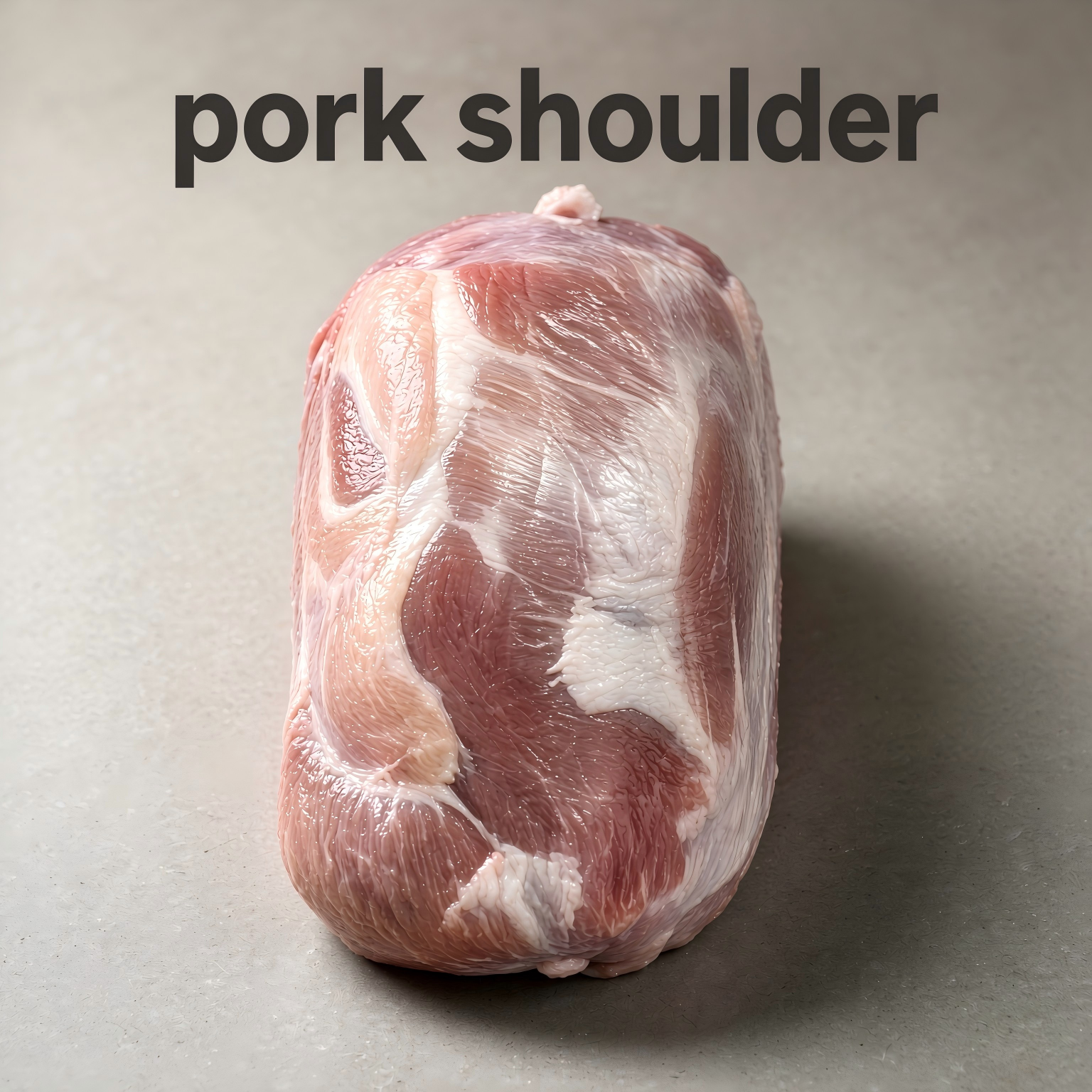
pork shoulder joint
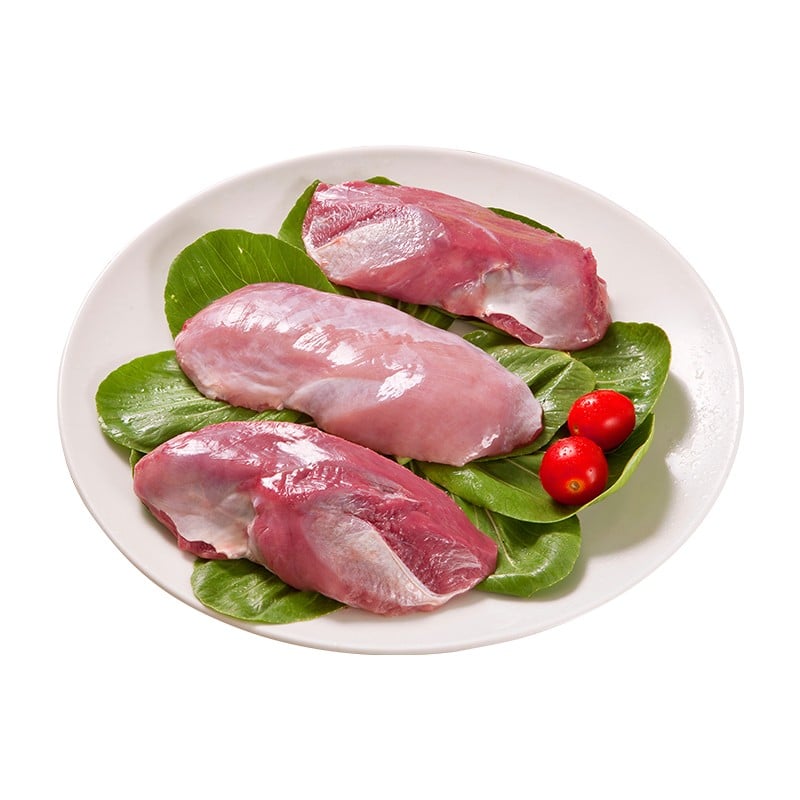
A pork shoulder joint represents one of the most versatile and economical cuts available in the meat market today. This substantial cut comes from the upper portion of the pig's front leg, encompassing both the blade and picnic sections, making it ideal for various cooking applications. The pork shoulder joint features excellent marbling and connective tissue that break down during slow cooking, creating tender, flavorful results that satisfy diverse culinary needs.
The pork shoulder joint's main function is to provide cooks with a forgiving, flavor-rich meat that handles multiple cooking techniques effectively. Whether you're planning to roast, braise, smoke, or shred the meat, this cut performs admirably across all methods. The technological features of a quality pork shoulder joint include optimal fat distribution, which keeps the meat moist during extended cooking periods, and substantial bone structure that enhances flavor development in broths and gravies.
Applications for the pork shoulder joint span both home kitchens and commercial food service operations. Home cooks utilize it for Sunday roasts, pulled pork sandwiches, and hearty stews. Professional chefs incorporate the pork shoulder joint into restaurant menus, catering events, and food production facilities. The cut's affordability makes it accessible to budget-conscious households, while its quality ensures impressive results for sophisticated diners. Understanding the pork shoulder joint's characteristics helps consumers make informed purchasing decisions for their specific cooking projects and meal planning requirements.




 EN
EN